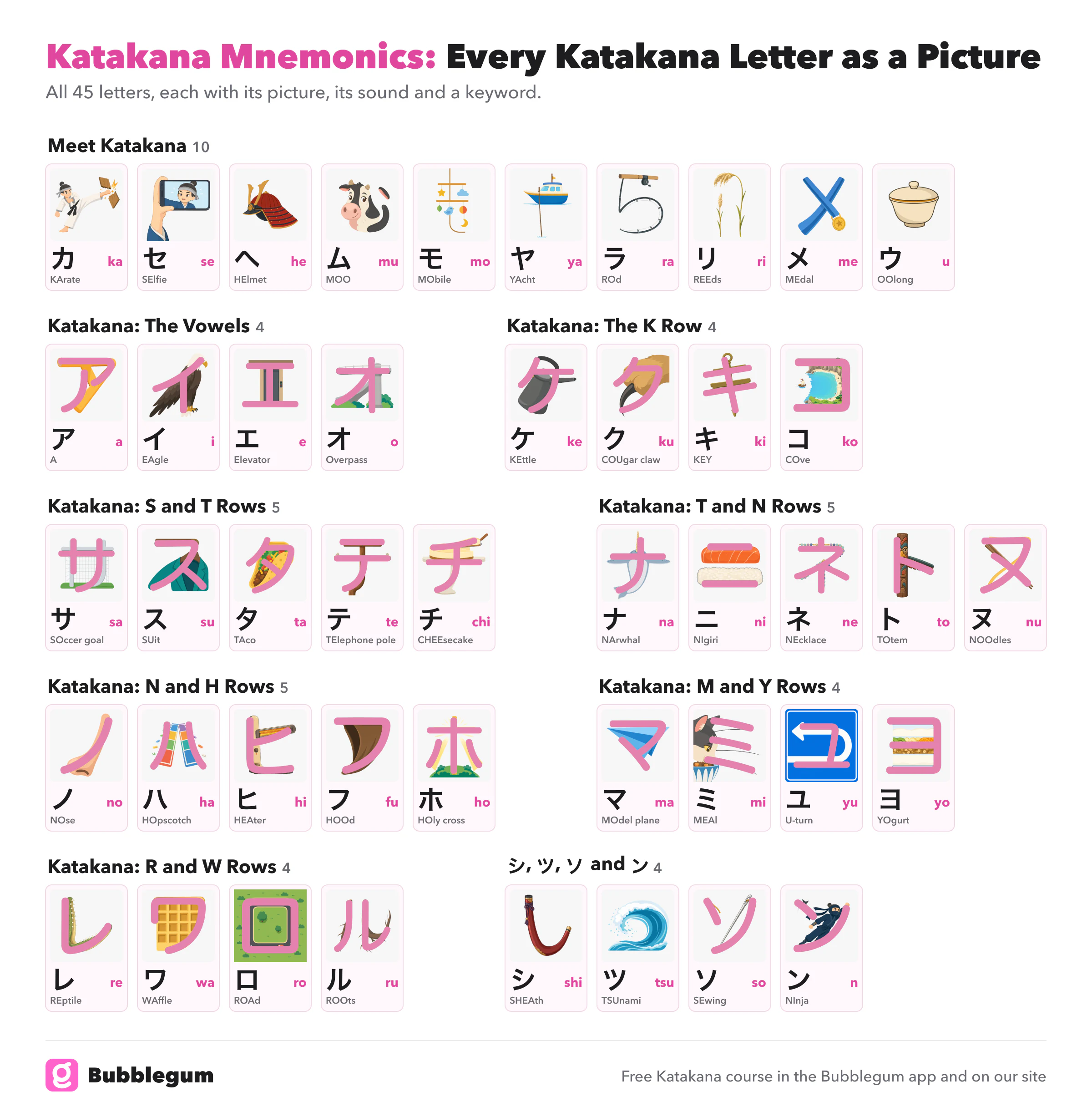
Katakana writes the same sounds as hiragana with different shapes, and Japanese uses it for borrowed words, foreign names, and sound effects. Each katakana here is drawn as a picture in its shape: ナ is a narwhal pointing its tusk up, and narwhal starts with na. The chart below shows all 45 katakana with their pictures, sounds, and keywords.
How Do Katakana Picture Mnemonics Work?
Nine katakana look close enough to their hiragana to read straight away, like カ and か, so they keep the same picture. ム changed shape but kept its sound and its cow saying moo, and シ and ツ keep the sheath and the tsunami from し and つ. Every other katakana gets a new picture of its own, like ア, a capital A leaning over.
Four letters need extra care. シ, ツ, ソ and ン differ only in which way the long stroke travels: ソ is a sewing needle driving down to the left, and ン is a ninja leaping up to the right.
The Katakana Chart With Pictures
Each sound is spelled the way the Hepburn system writes it, so シ is shi and ツ is tsu. The chart leaves out ヲ, which is almost never written in katakana today.
Meet Katakana 10
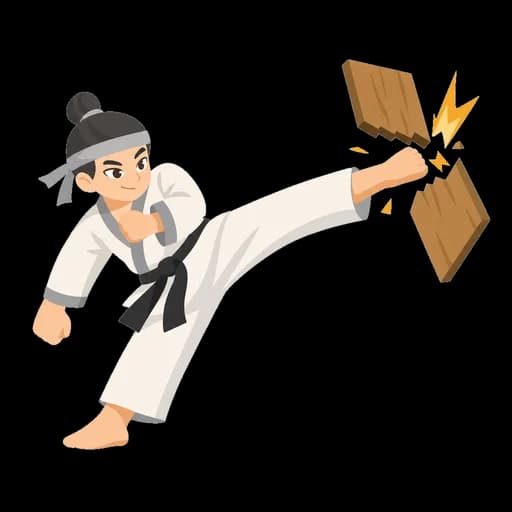 カkaKArate
 セseSElfie
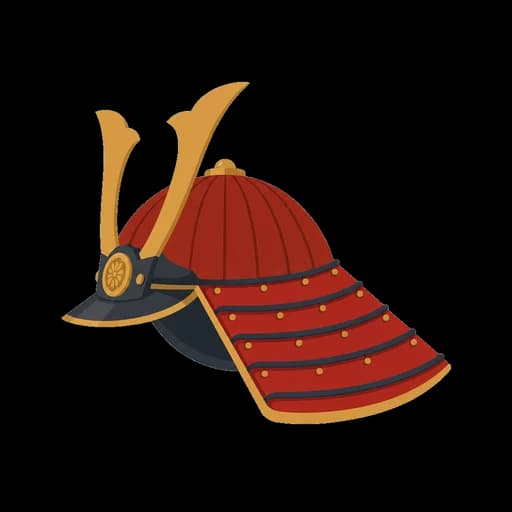 ヘheHElmet
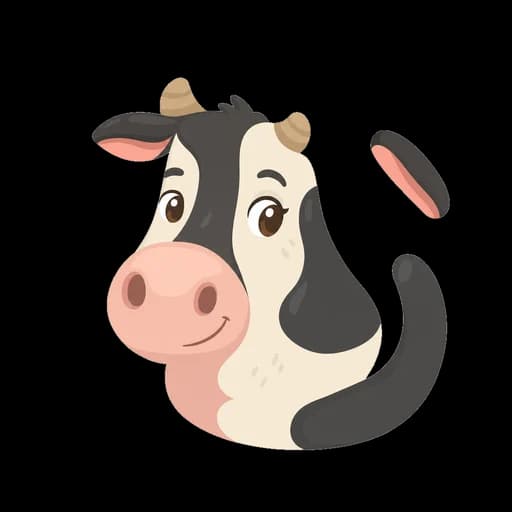 ムmuMOO
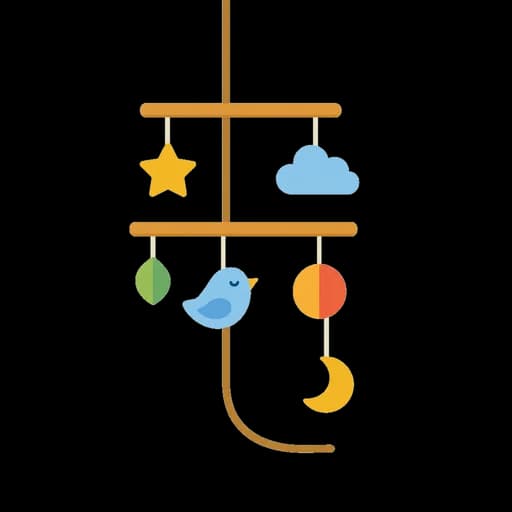 モmoMObile
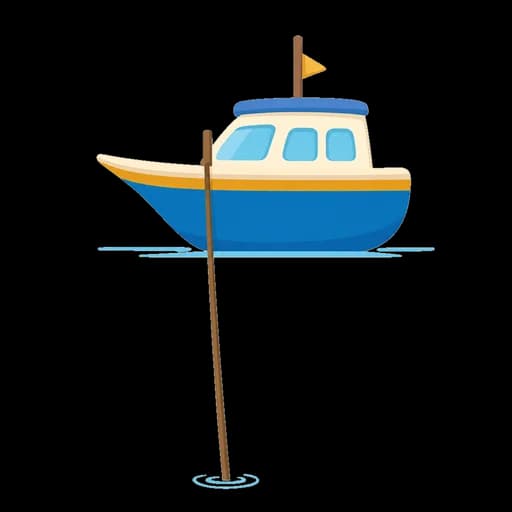 ヤyaYAcht
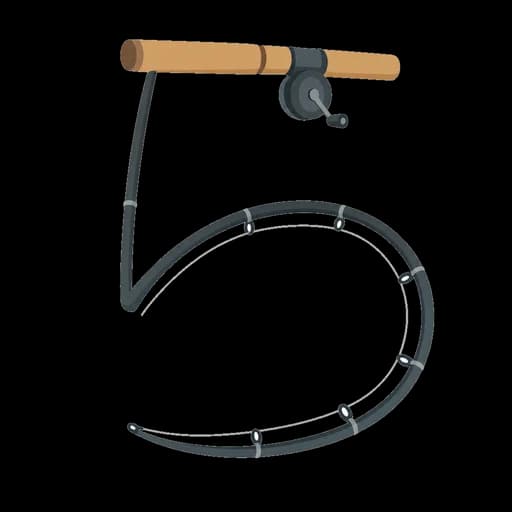 ラraROd
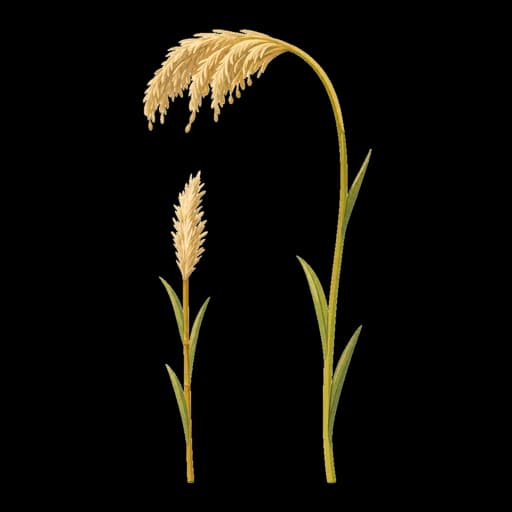 リriREEds
 メmeMEdal
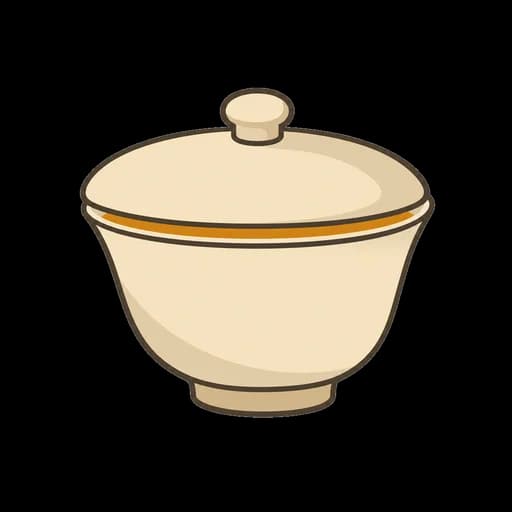 ウuOOlong
Katakana: The Vowels 4
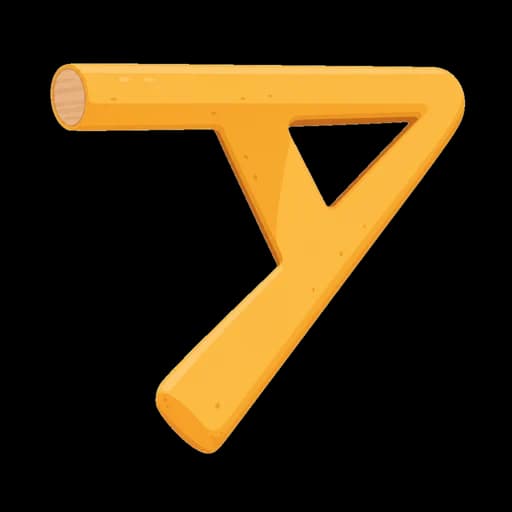
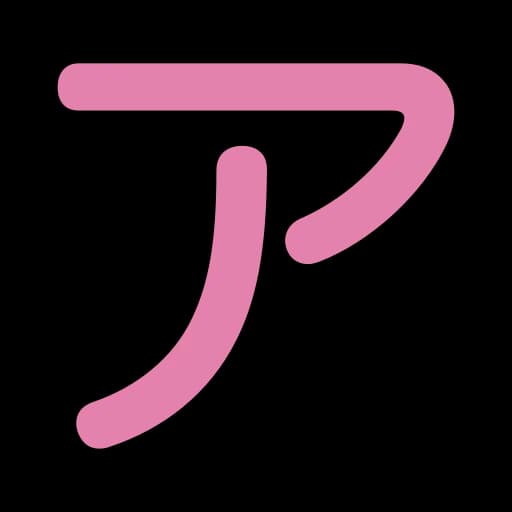 アaAA capital A, leaning over!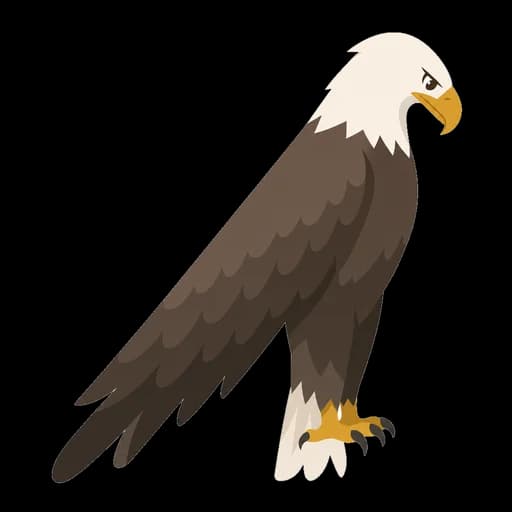
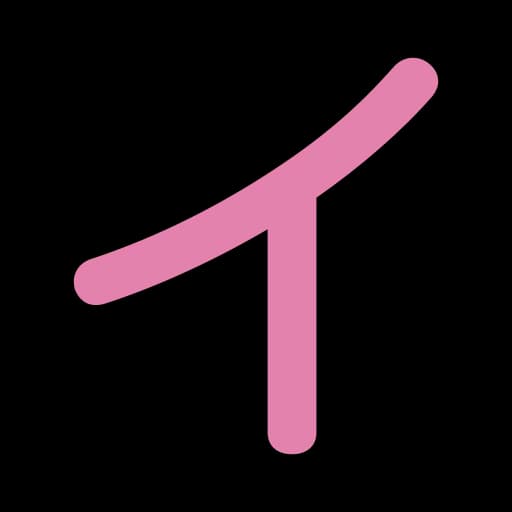 イiEAgleThe EAgle stands tall, wings tucked in.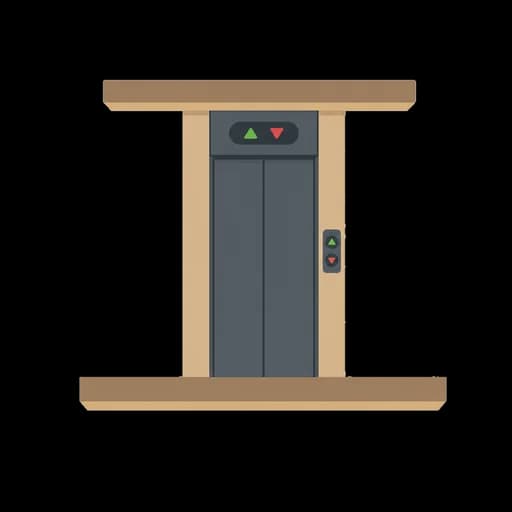
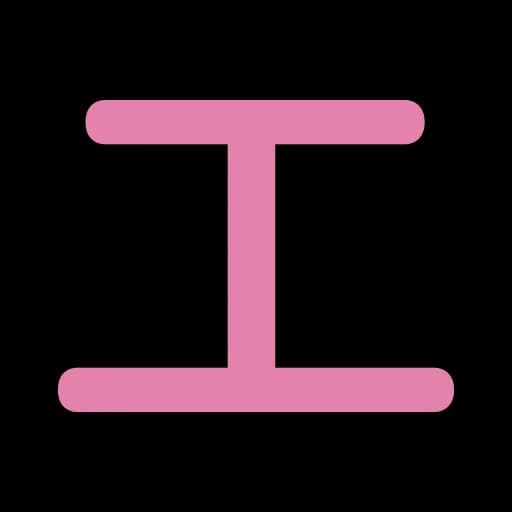 エeElevatorThe Elevator doors sit between two floors.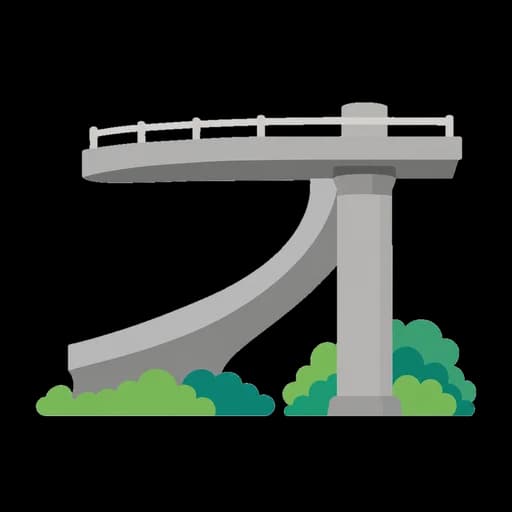
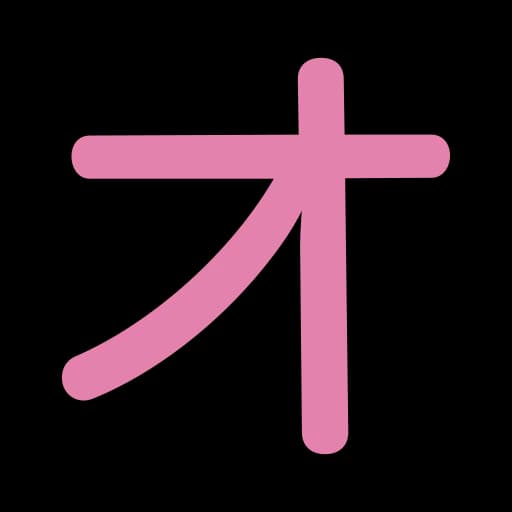 オoOverpassThe Overpass deck runs across, with one ramp slanting down.
Katakana: The K Row 4
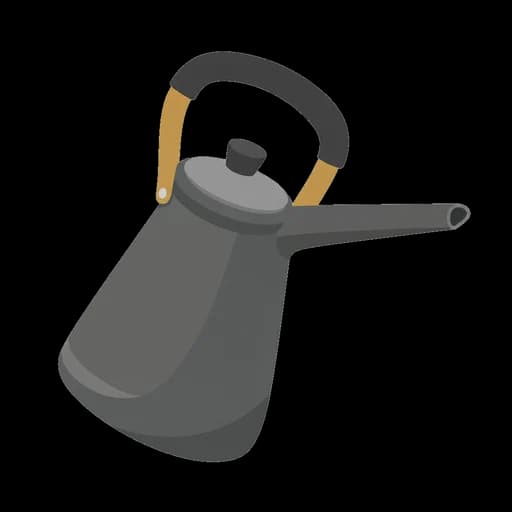
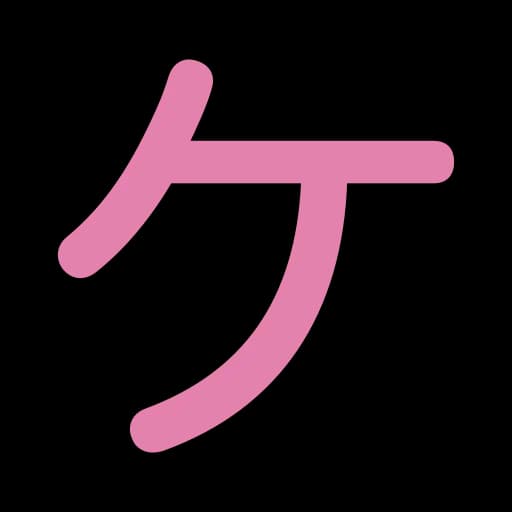 ケkeKEttleThe KEttle leans forward to pour, with its spout out to the right.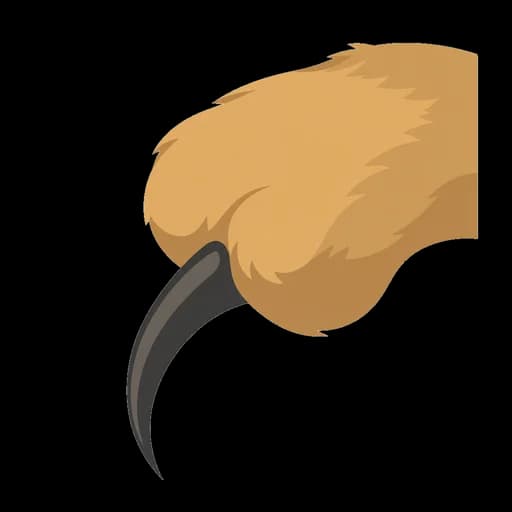
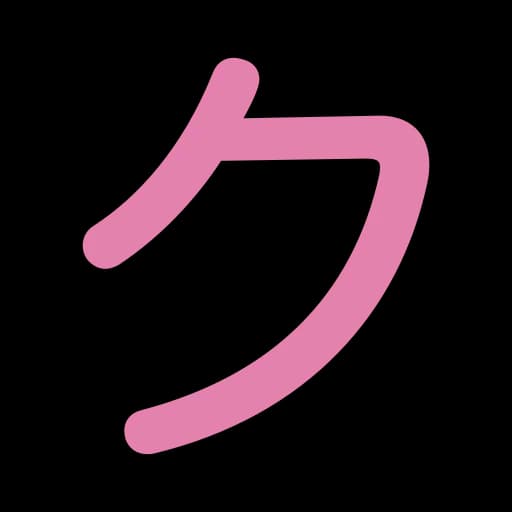 クkuCOUgar clawOne COUgar claw curves down and to the left.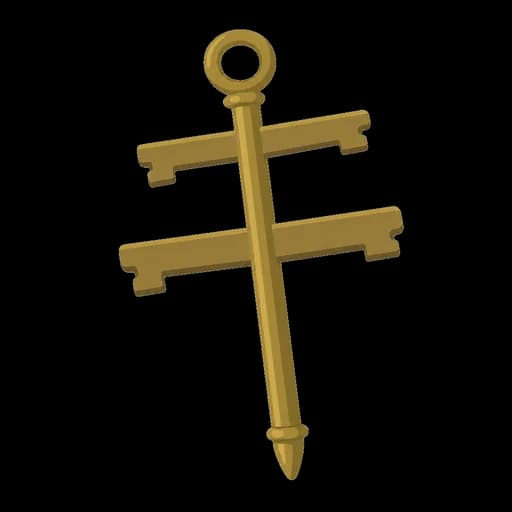
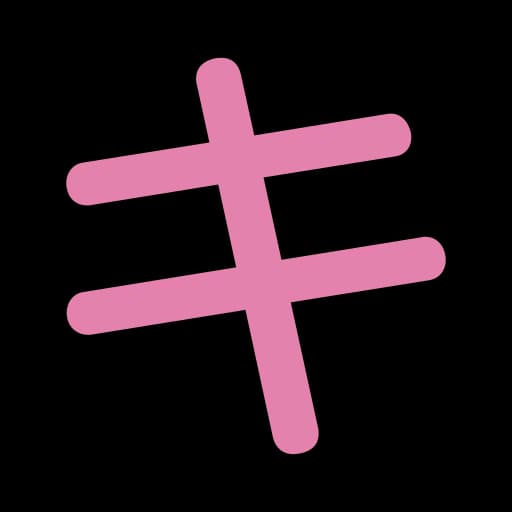 キkiKEYTwo bars cross the KEY high up on its shaft.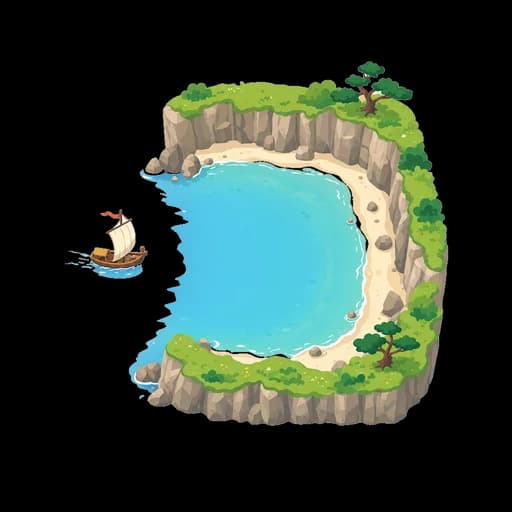
 コkoCOveThe COve is walled on three sides and open to the sea.
Katakana: S and T Rows 5
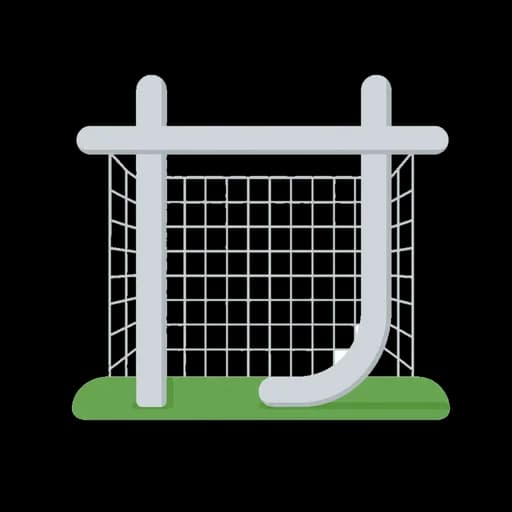
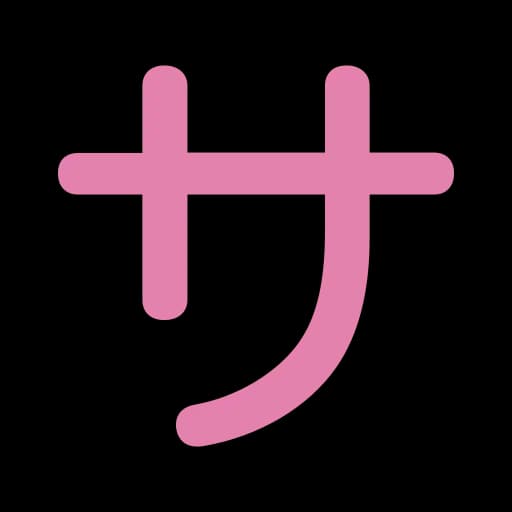 サsaSOccer goalThe SOccer goal crossbar rests on two posts.
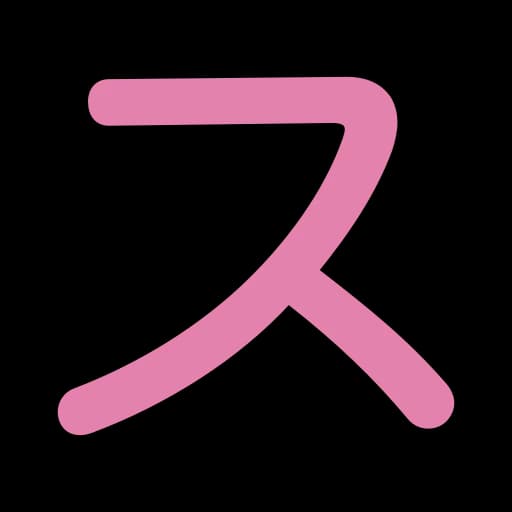 スsuSUitThe SUit hangs on a hanger, one shoulder showing.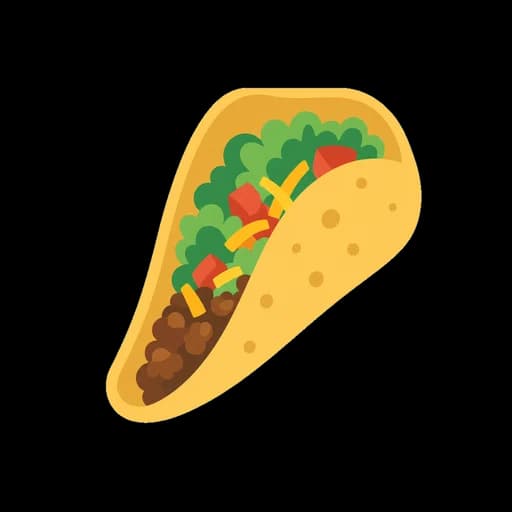
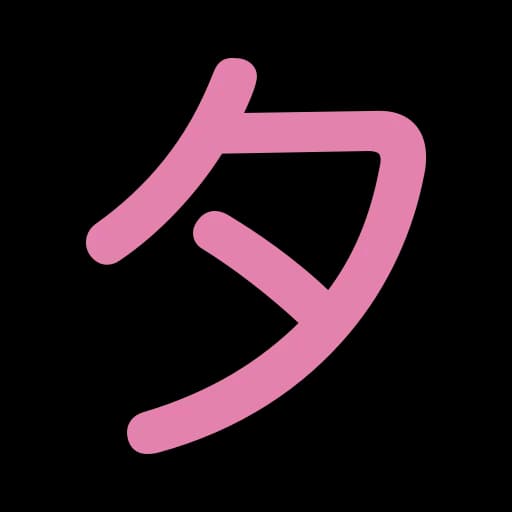 タtaTAcoThe TAco shell folds over, and a stripe of filling shows through the middle.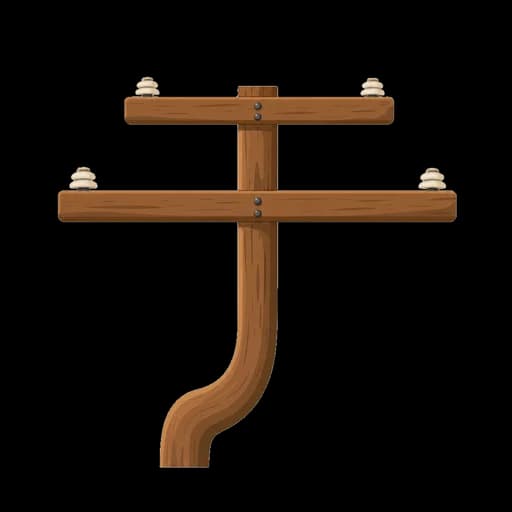
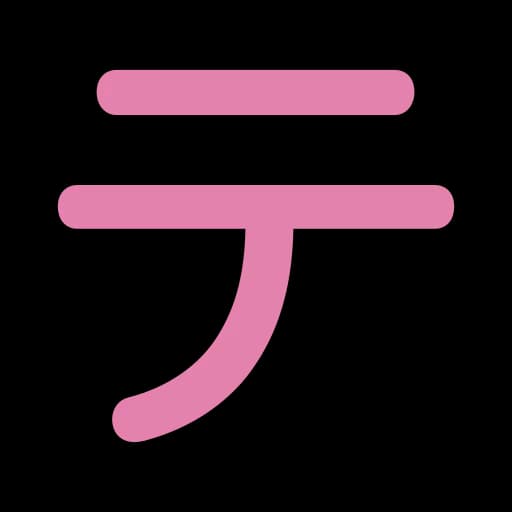 テteTElephone poleTwo bars cross the TElephone pole.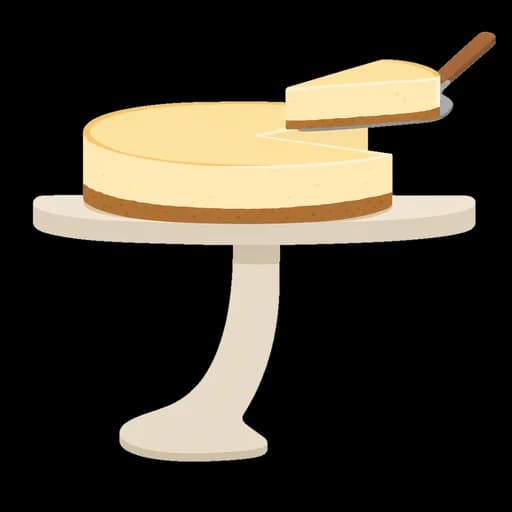
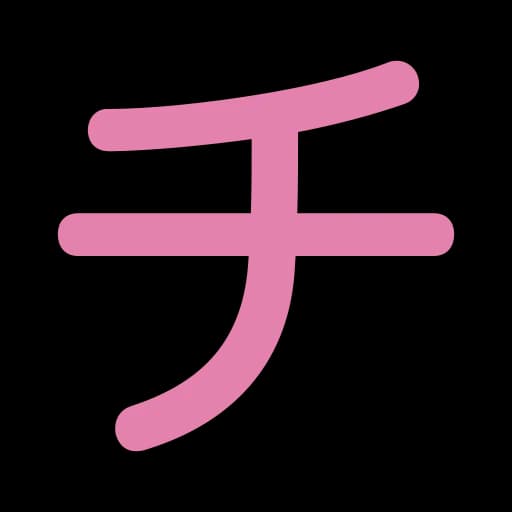 チchiCHEEsecakeThe CHEEsecake sits on a stand, with its foot spreading to the left.
Katakana: T and N Rows 5

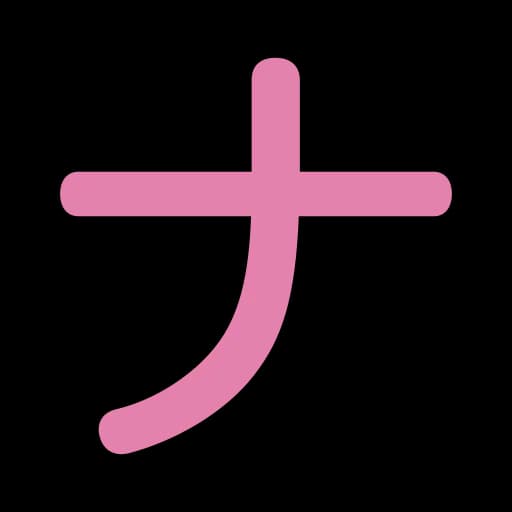 ナnaNArwhalThe NArwhal points its tusk up, flippers out to the sides.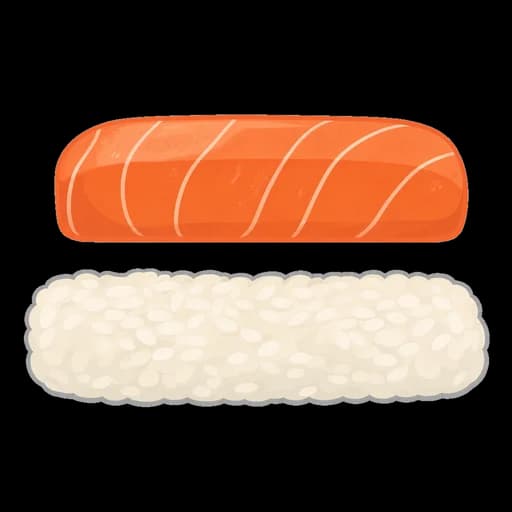
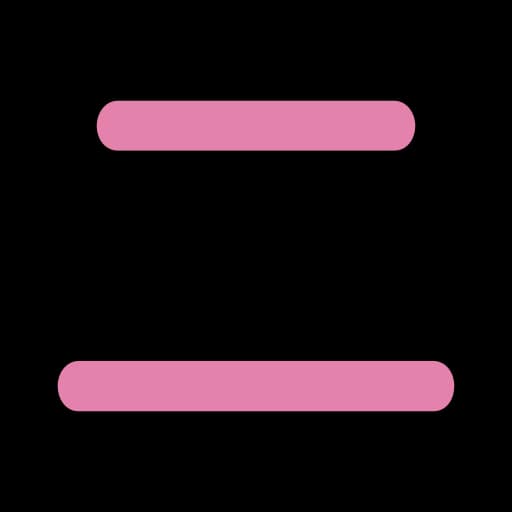 ニniNIgiriThe NIgiri is two flat bars, and the fish lies above the rice.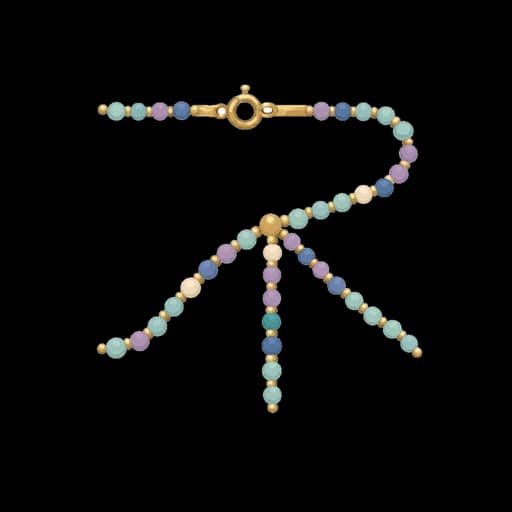
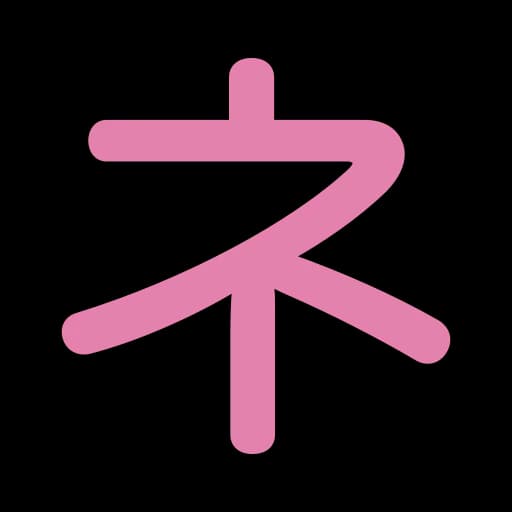 ネneNEcklaceThe NEcklace clasp sits at the top, strands hanging down.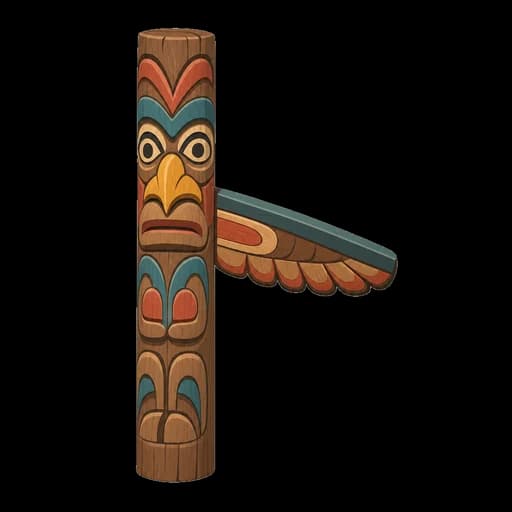
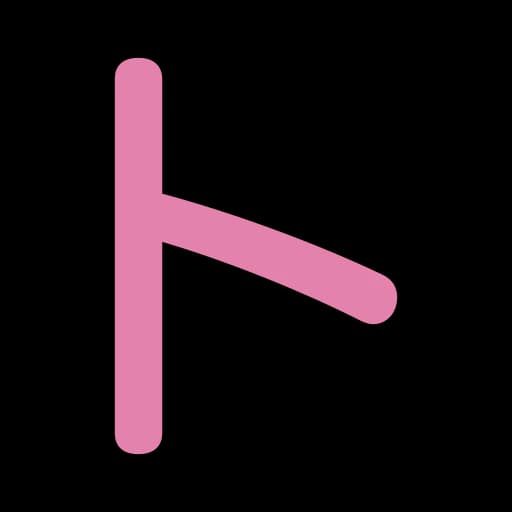 トtoTOtemOne wing sticks out to the right of the TOtem pole.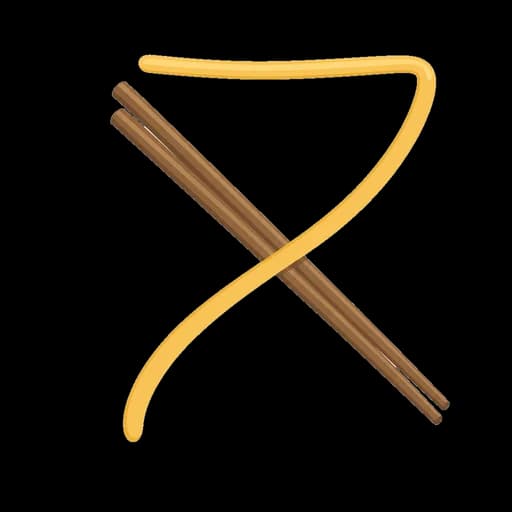
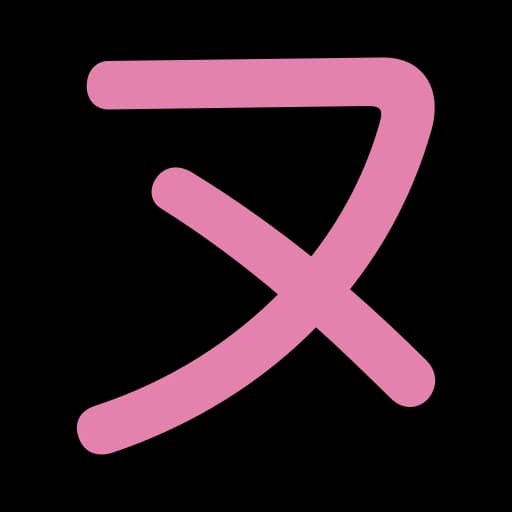 ヌnuNOOdlesOne long NOOdles strand hangs over the chopsticks and down to the left.
Katakana: N and H Rows 5
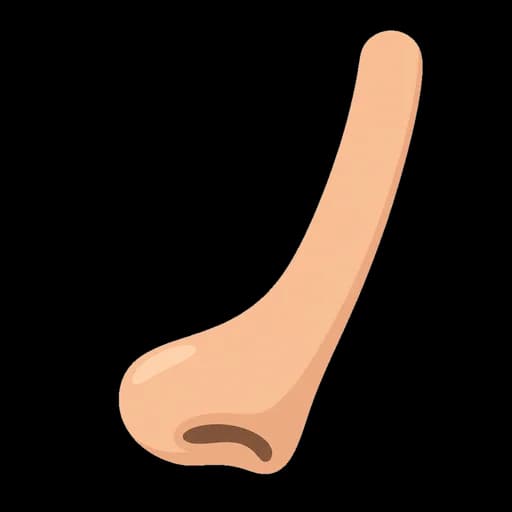
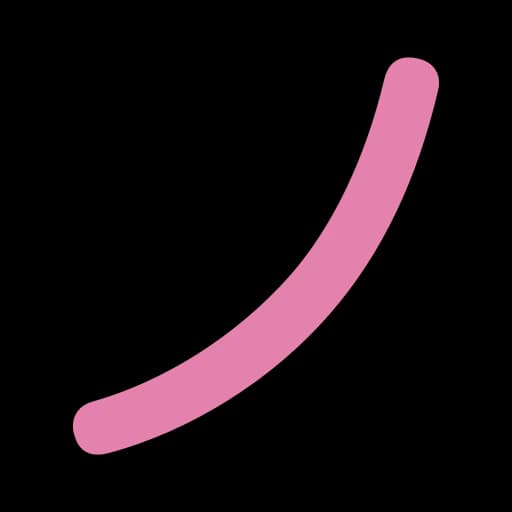 ノnoNOseHere is one long NOse, seen from the side.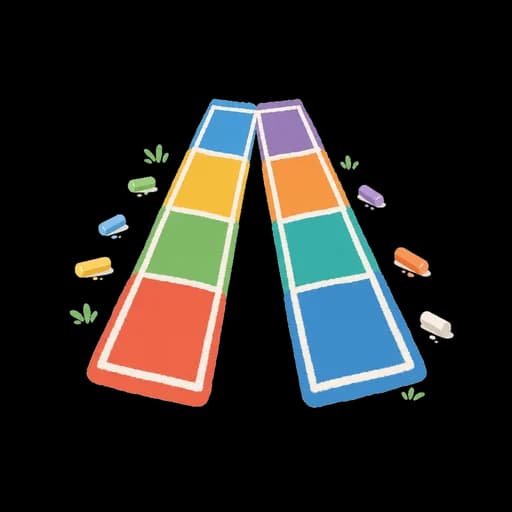
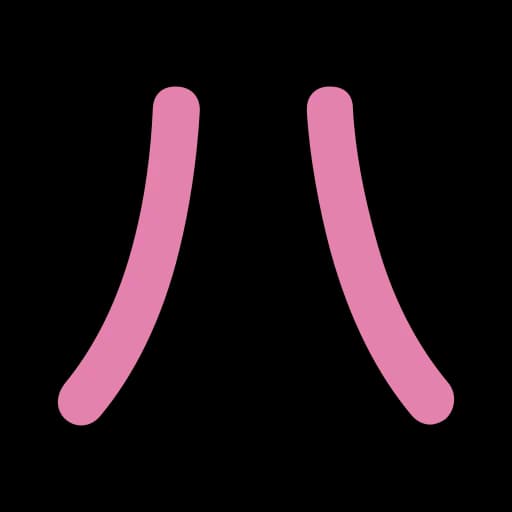 ハhaHOpscotchTwo HOpscotch boards lean together at the top.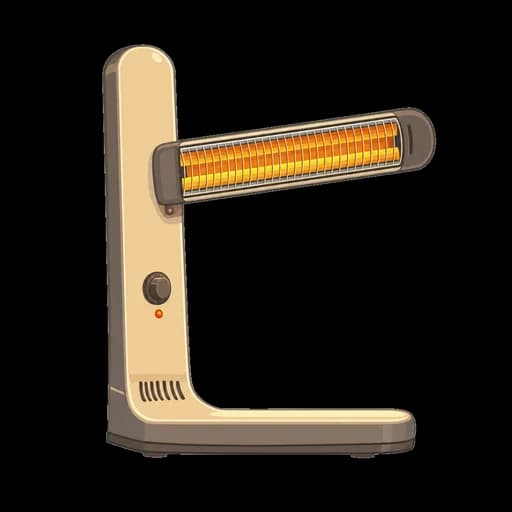
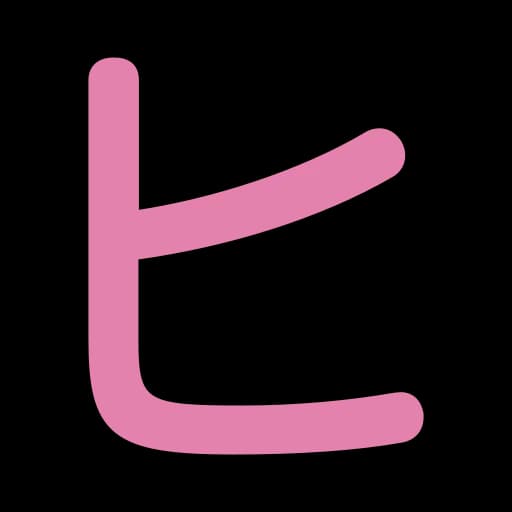 ヒhiHEAterThe HEAter stands upright on its wide base.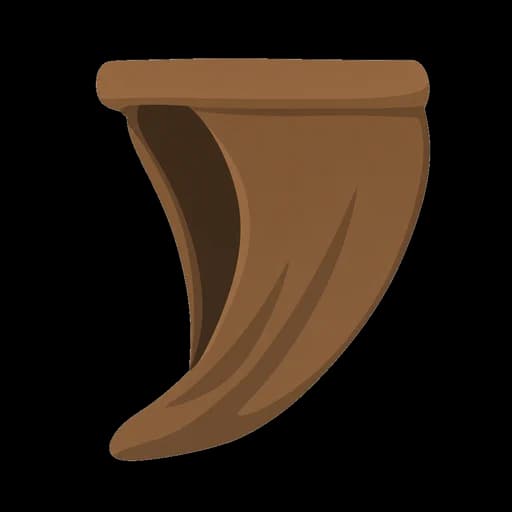
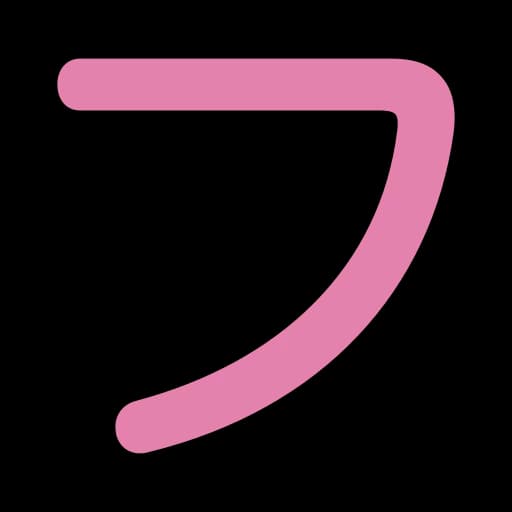 フfuHOOdThe HOOd is flat on top, falling to a point on the left.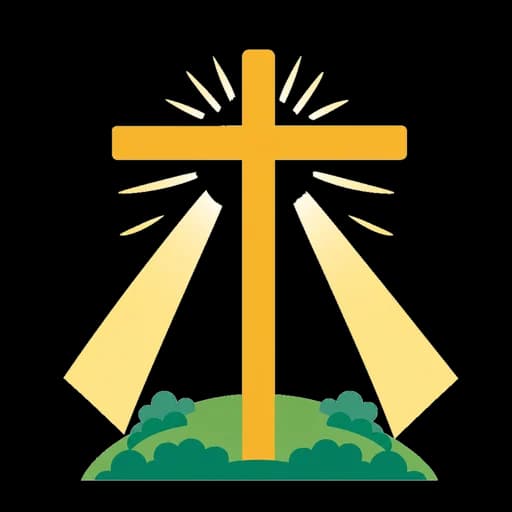
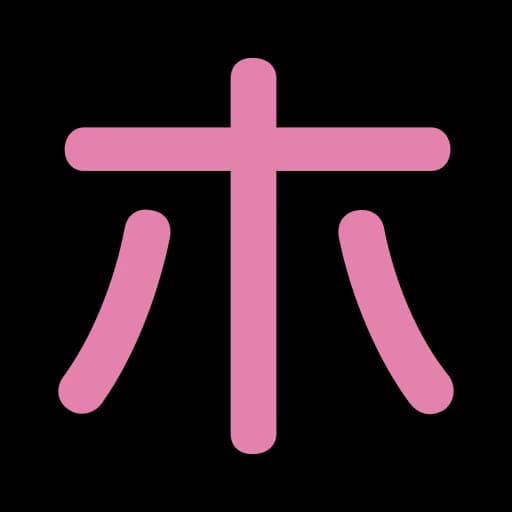 ホhoHOly crossOne bar crosses the HOly cross, with light spreading behind it.
Katakana: M and Y Rows 4
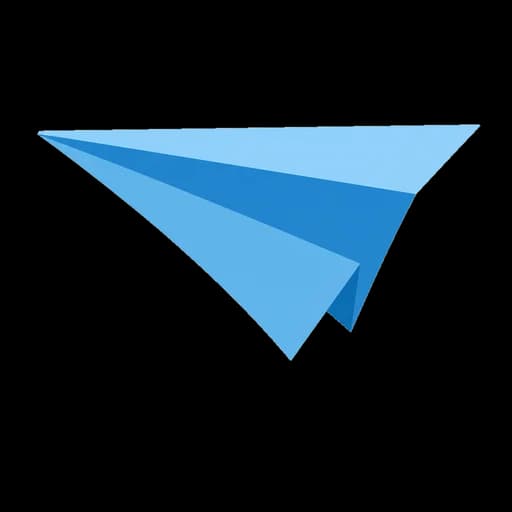
 マmaMOdel planeThe MOdel plane has its wing across the top and its nose pointing down.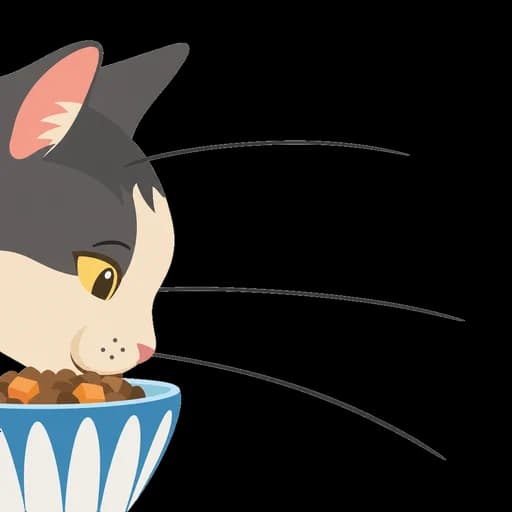
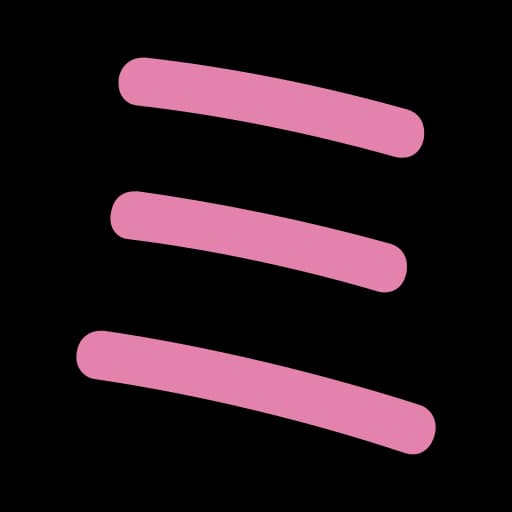 ミmiMEAlThree whiskers sweep down to the right, and the cat eats its MEAl.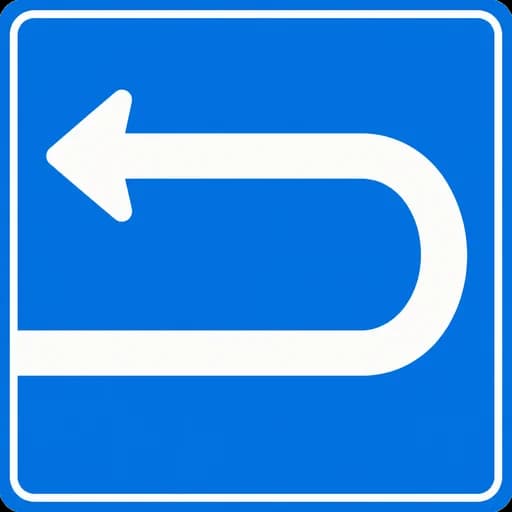
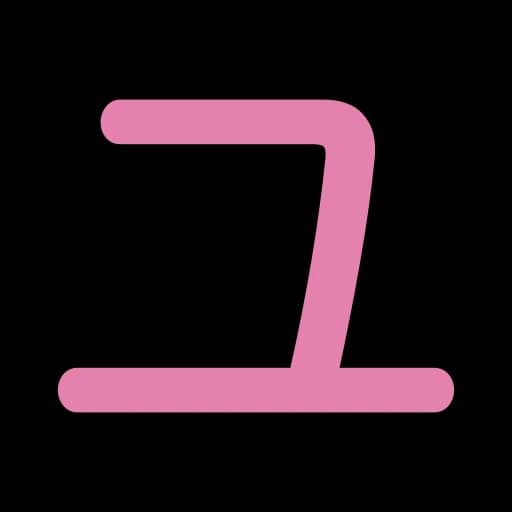 ユyuU-turnThe U-turn arrow curves back over the straight line below.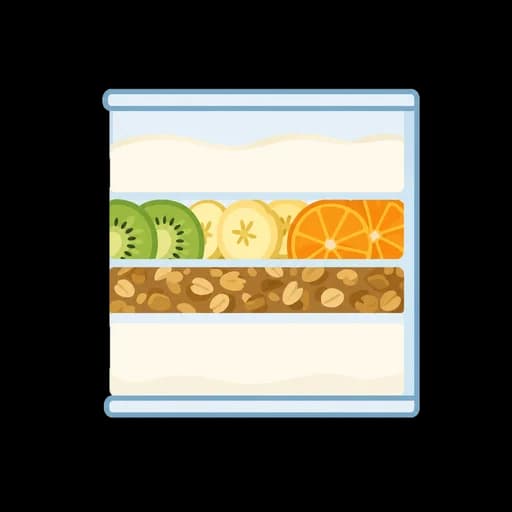
 ヨyoYOgurtThree layers of YOgurt stack up against the side of the glass.
Katakana: R and W Rows 4
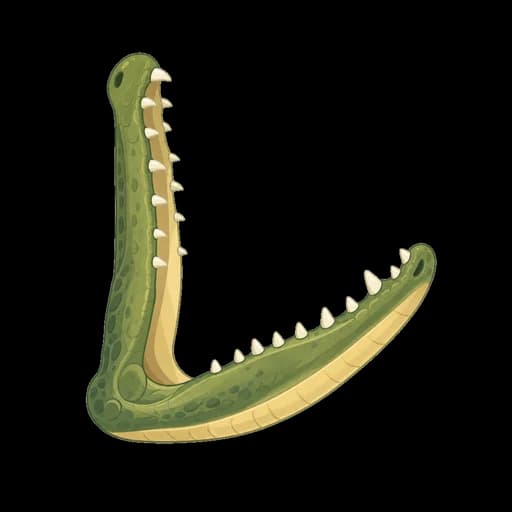
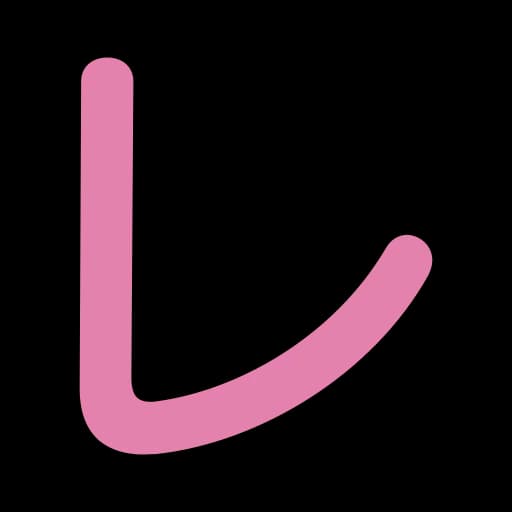 レreREptileA REptile jaw opens up from below, ready to bite what is above it.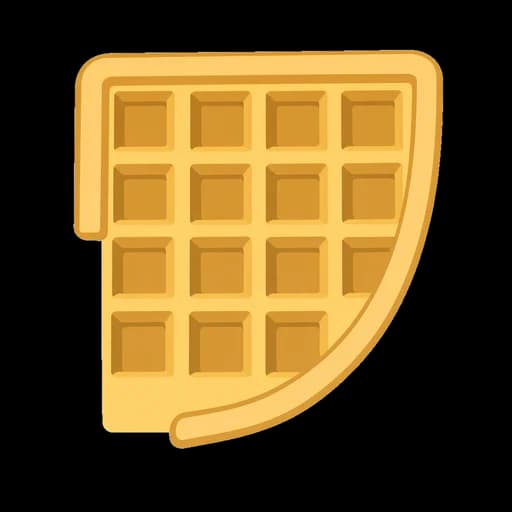
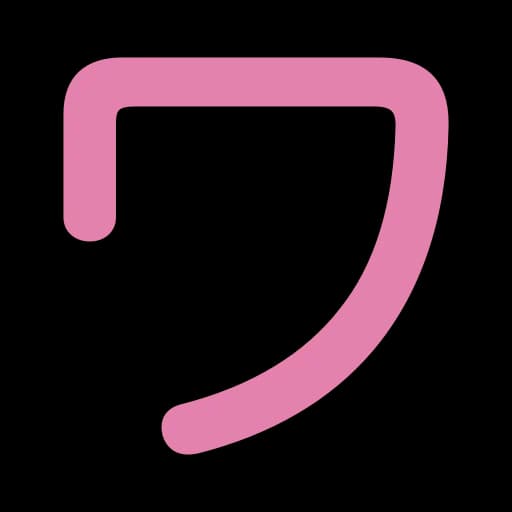 ワwaWAffleOne square WAffle!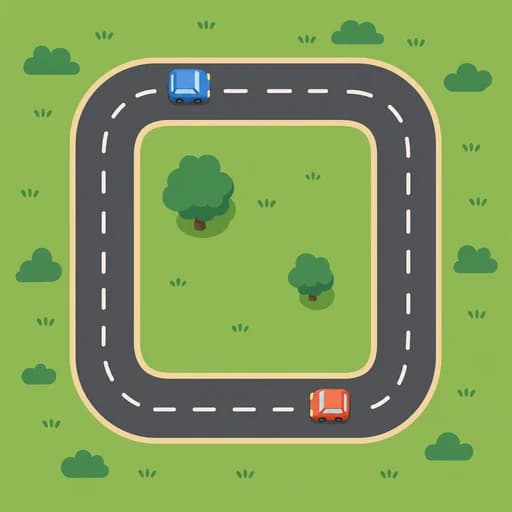
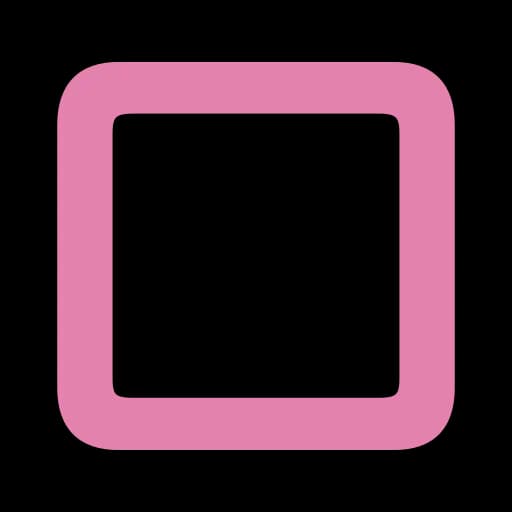 ロroROAdThe ROAd closes in a square loop, all the way round.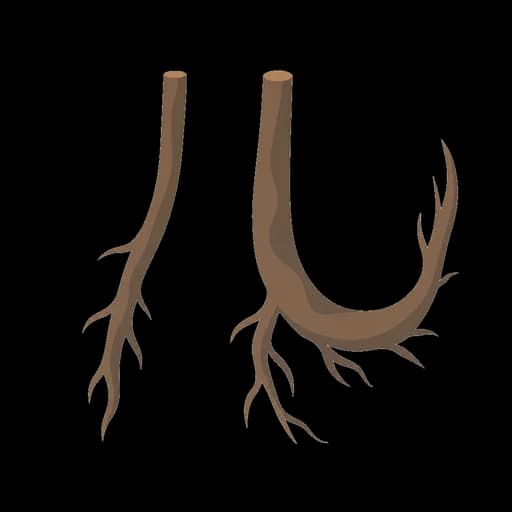
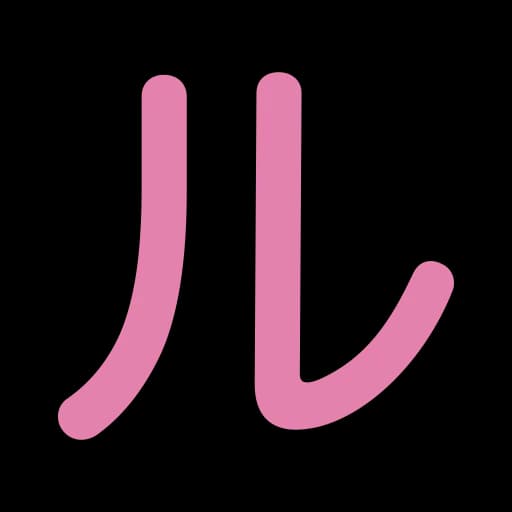 ルruROOtsTwo ROOts hang down, and the long one curls back up out of the soil.
シ, ツ, ソ and ン 4
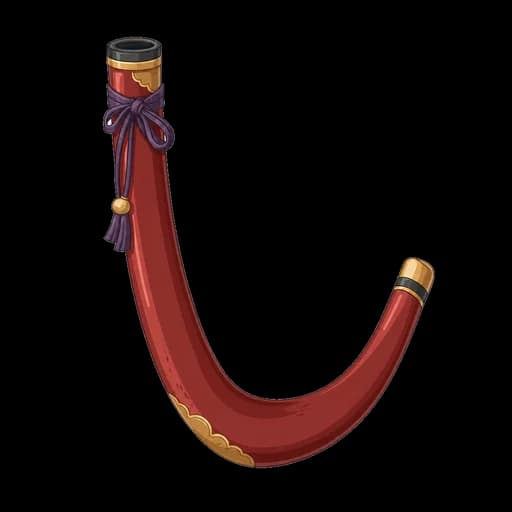 シshiSHEAth
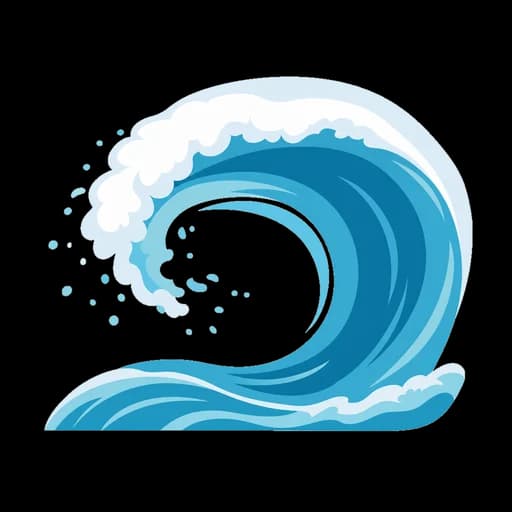 ツtsuTSUnami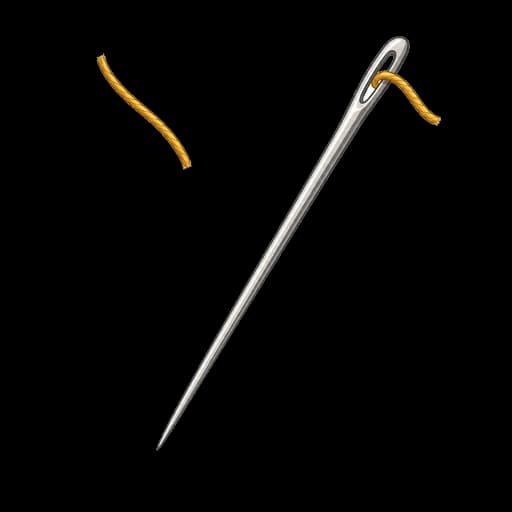
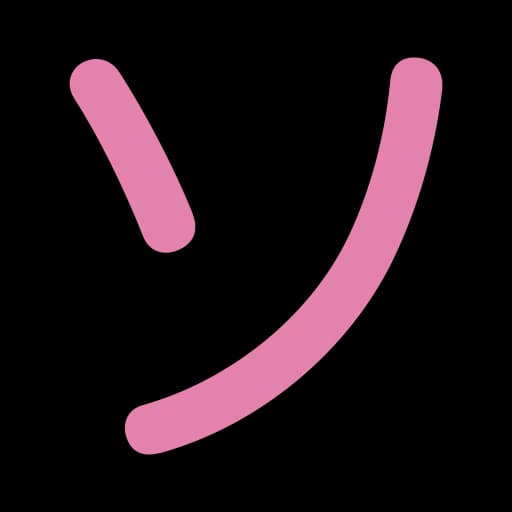 ソsoSEwingThe SEwing needle drives DOWN and to the left.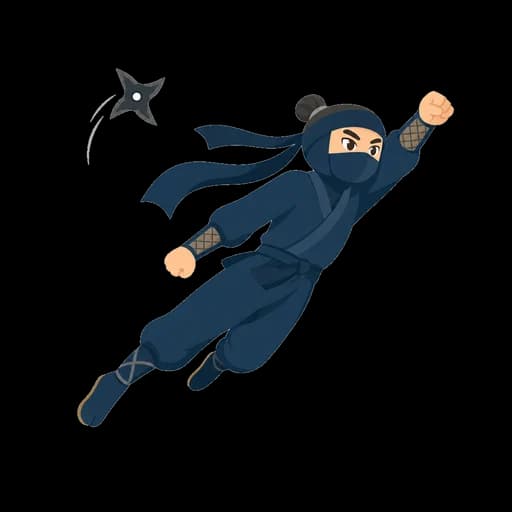
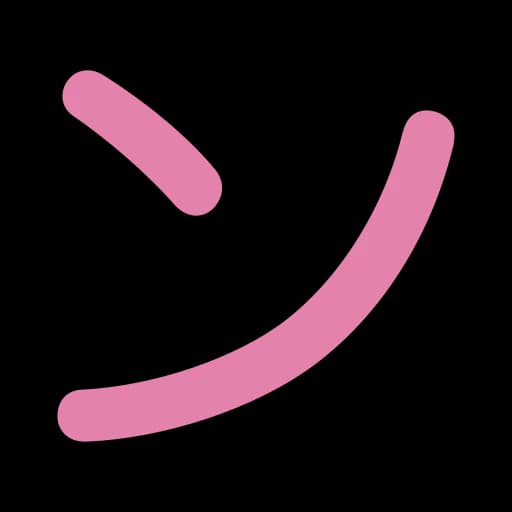 ンnNInjaThe NInja leaps UP to the right, and a shuriken spins behind.
How Should You Practice With the Chart?
The pictures hold the shapes in place, and the free course audio teaches how each one sounds.
- Pair the TwinsSay a hiragana next to its katakana, like せ and セ, and look at what changed.
- Trace the Long StrokeWrite シ, ツ, ソ and ン slowly, and say which way each long stroke travels.
- Hear the Long BarPlay ビル and ビール in the free course. The bar holds the vowel longer and turns a building into beer.
The free Katakana course teaches these letters in ten short chapters with audio, and it ends by showing you how to write your own name in katakana. The same course is free in Bubblegum, where Poppy, the AI tutor, writes Japanese lessons at your level. If you haven't learned the first alphabet yet, start with the hiragana picture chart.
Frequently Asked Questions
How Many Katakana Are There?
Modern Japanese uses 46 basic katakana, one for each hiragana sound. One of them, ヲ, is now written in hiragana almost every time, so this chart shows the other 45.
Should You Learn Hiragana or Katakana First?
Start with hiragana, because it carries the grammar of every Japanese sentence. Katakana then reuses every sound you learned, along with 12 of the pictures.
Is Bubblegum Free?
Yes. The lesson library is free for everyone, because we believe everyone should be able to learn. It holds lessons that other learners asked Poppy for. A new custom lesson costs us real money to make, so your first one is free, and Bubblegum Pro gives you unlimited custom lessons.


