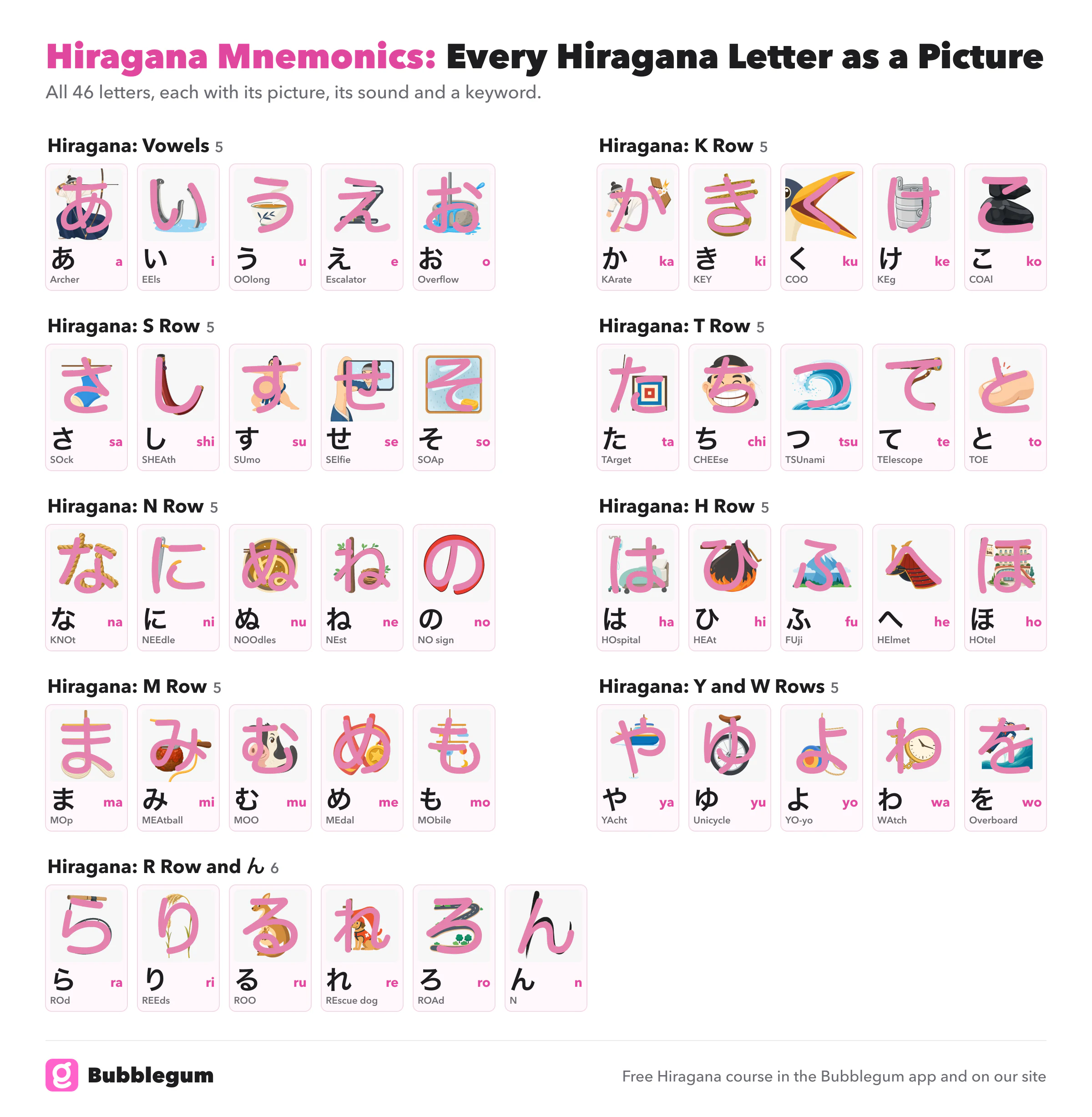
Hiragana mnemonics are pictures drawn in the shape of each hiragana letter, and the name of each picture starts with that letter's sound. あ is an archer holding an arrow flat across the top, with a wide skirt below, so the shape brings back the word archer and the sound a. The chart below shows all 46 hiragana, each with its picture, its sound, and its keyword.
How Do Hiragana Picture Mnemonics Work?
Every picture follows the strokes of its letter. The capital letters in each keyword spell the sound, so か is a KArate kick snapping a board and に is a NEEdle with two stitches beside it. Letters in one row share a consonant, which is why the K row is KArate, KEY, COO, KEg and COAl.
A few keywords bend the rule to reach the sound. ゆ is a unicycle, because unicycle starts with the sound you. ん is the letter n written in cursive.
The Hiragana Chart With Pictures
The sound next to each letter is its Hepburn spelling, the main way to write Japanese in Latin letters.
Hiragana: Vowels 5
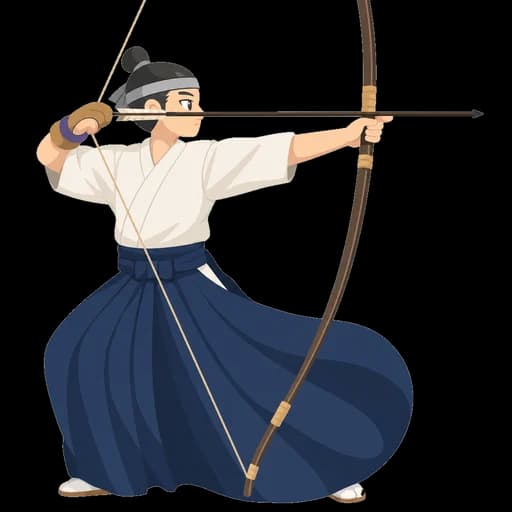
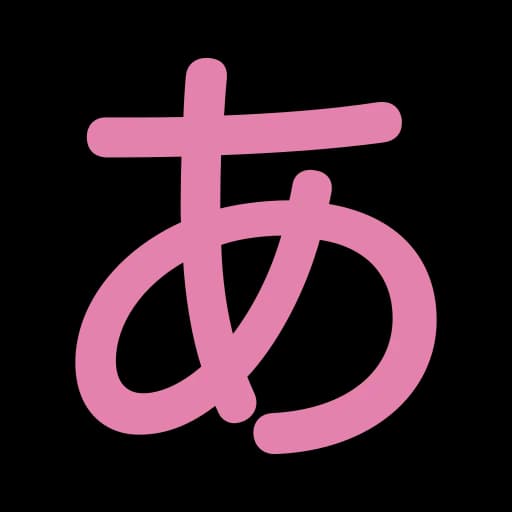 あaArcherThe Archer holds the arrow flat across the top, with a wide skirt below.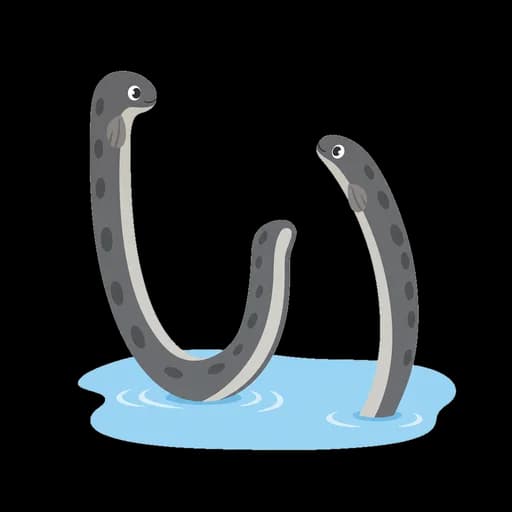
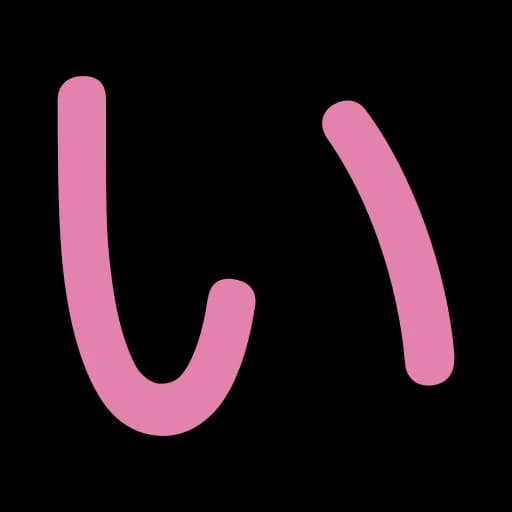 いiEElsTwo EEls stand upright in the water, the left one longer.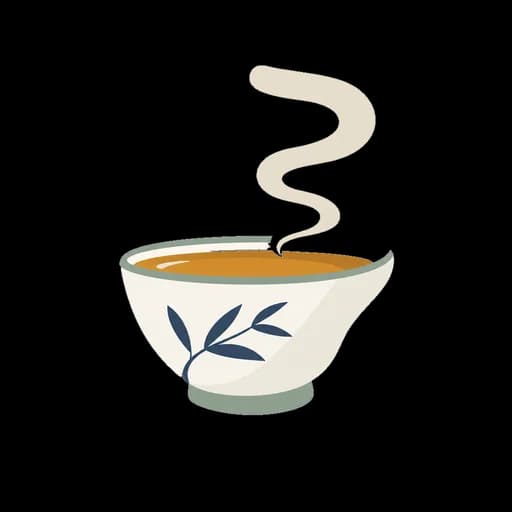
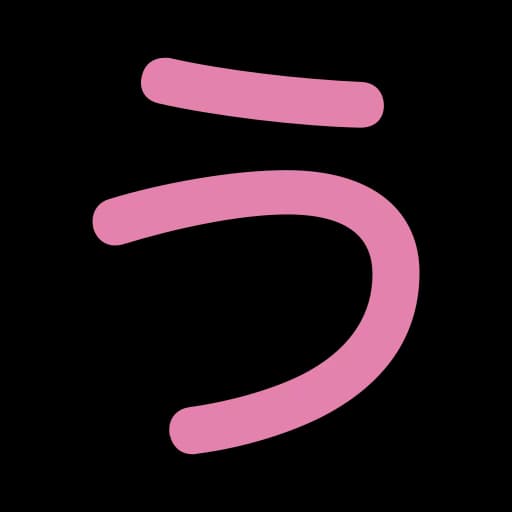 うuOOlongSteam curls off a warm cup of OOlong tea.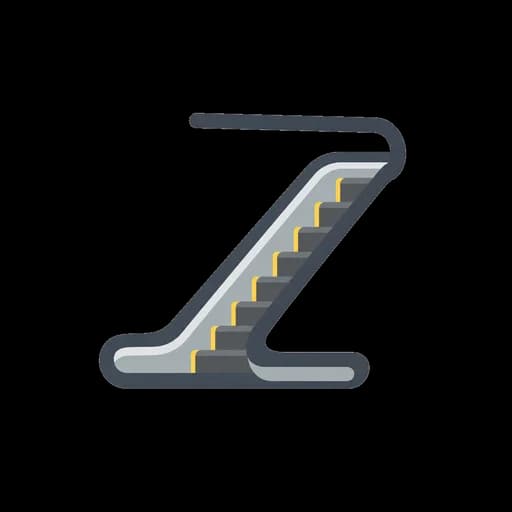
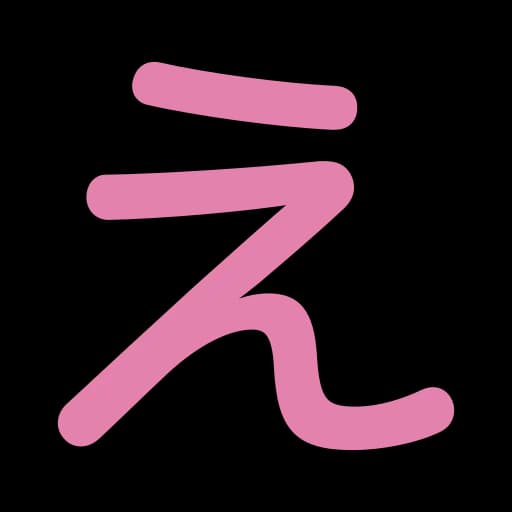 えeEscalatorThe Escalator runs down between two flat floors.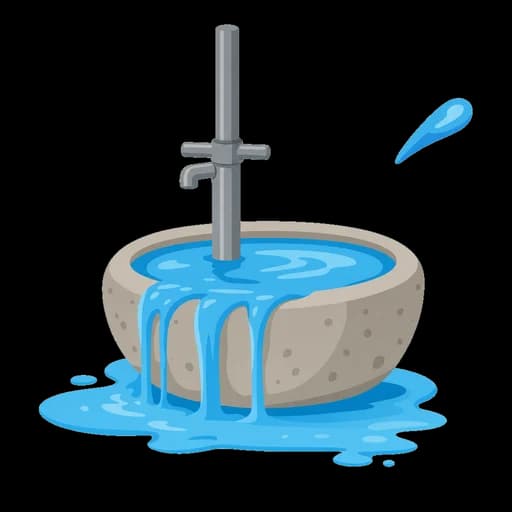
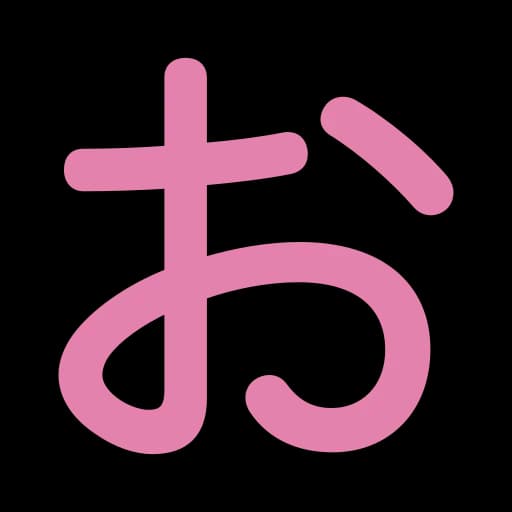 おoOverflowThe tap makes a cross on the pipe, and the Overflow spills over the round bowl.
Hiragana: K Row 5
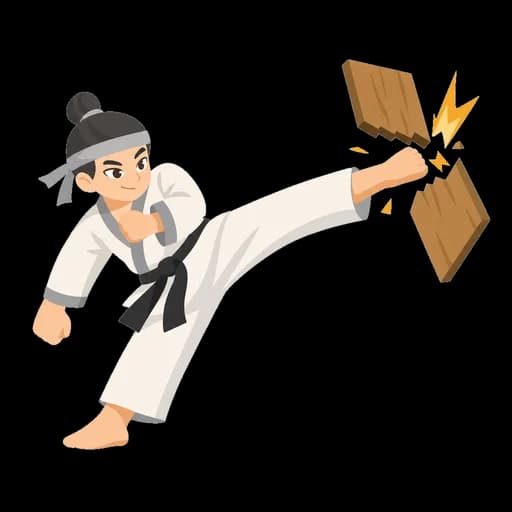
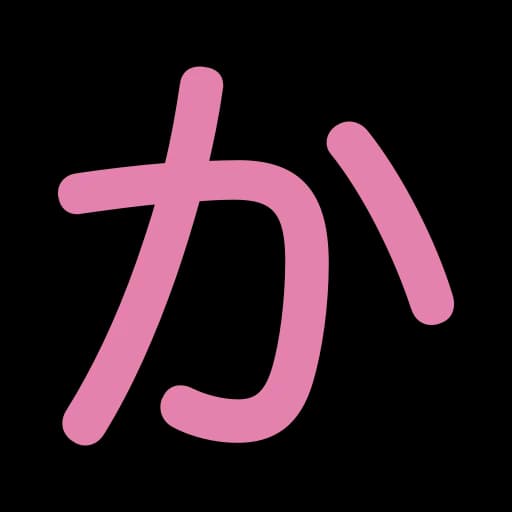 かkaKArateThe KArate kick flies across and snaps the board in two.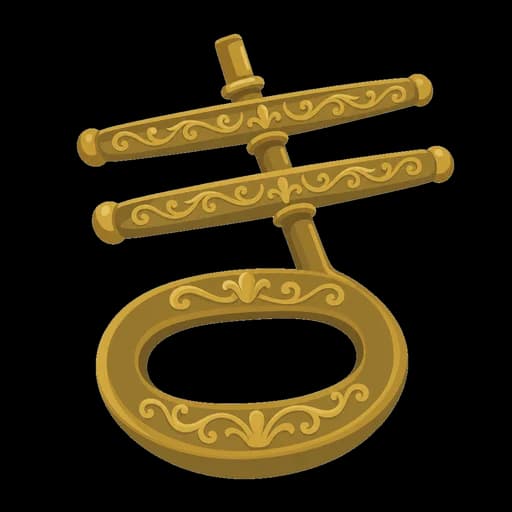
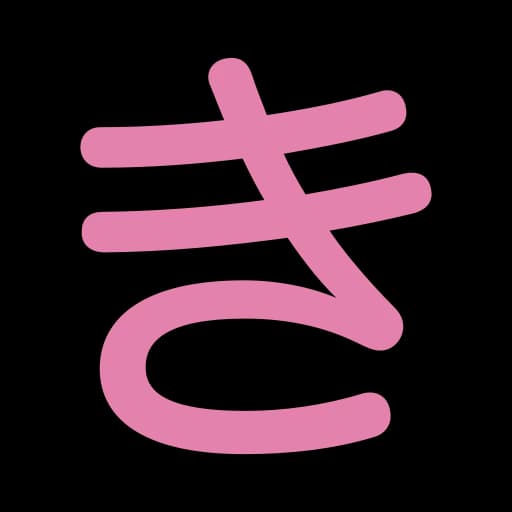 きkiKEYTwo bars cross the KEY, and its ring hangs at the bottom.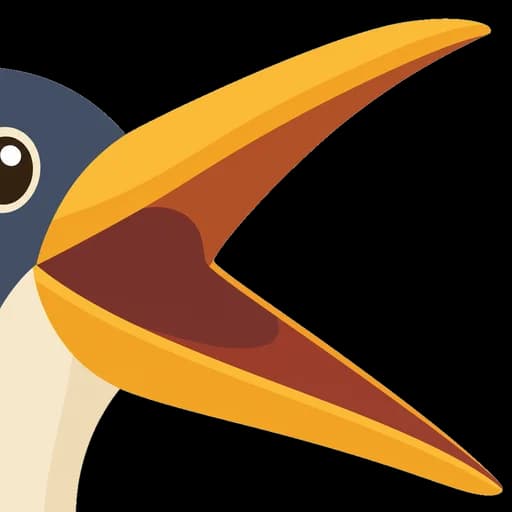
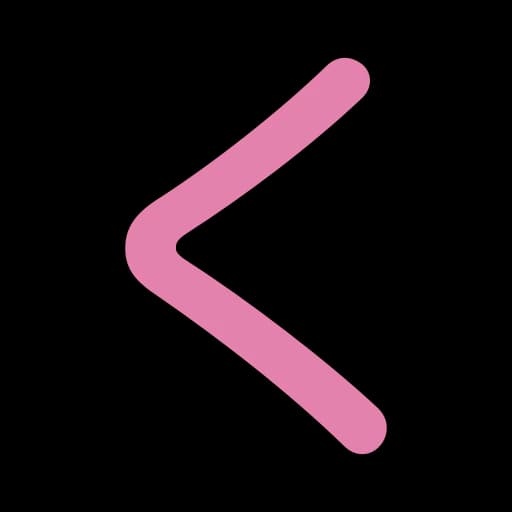 くkuCOOA beak opens wide to COO!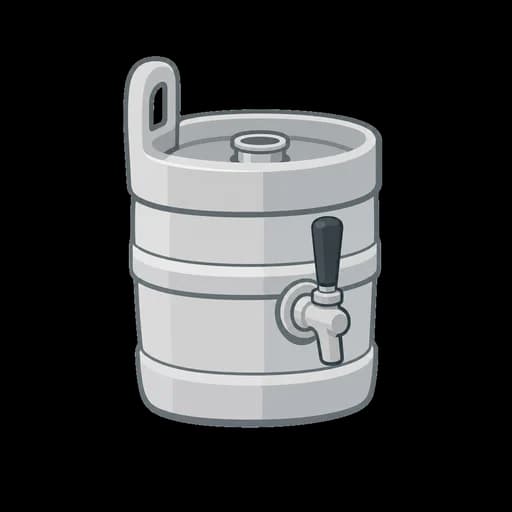
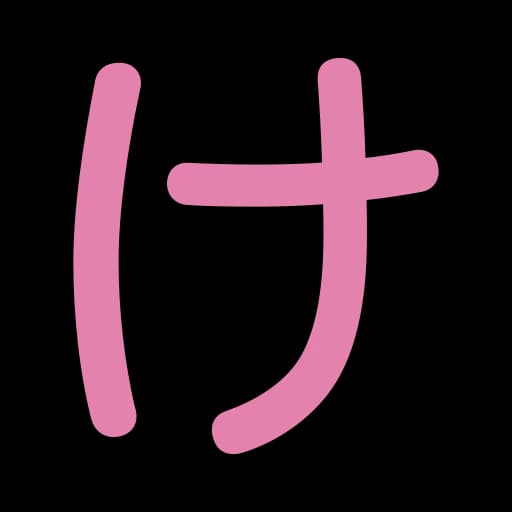 けkeKEgThe tap handle stands tall, and the band runs across the KEg.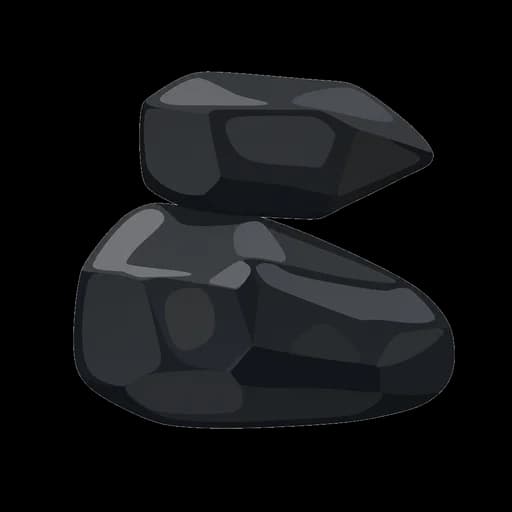
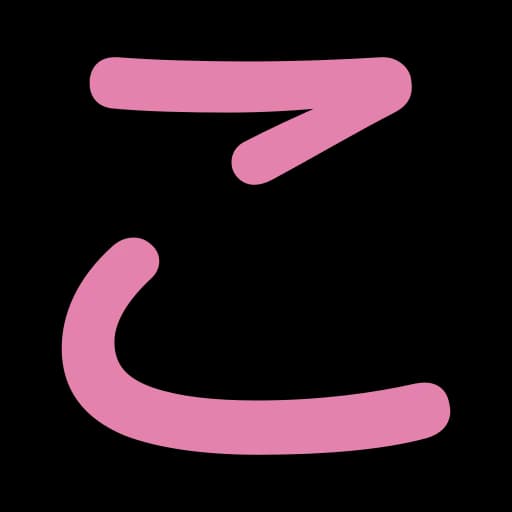 こkoCOAlOne lump of COAl sits on a bigger one.
Hiragana: S Row 5
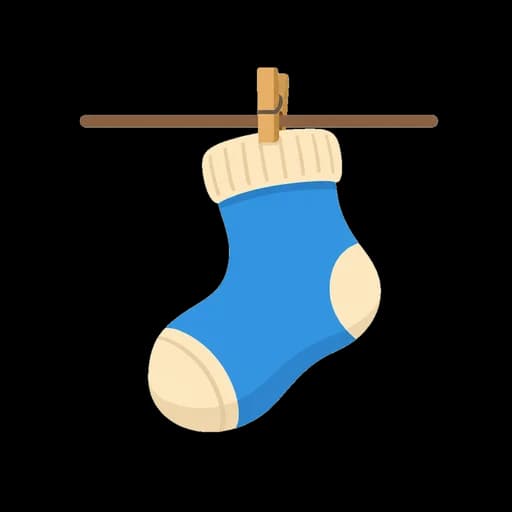
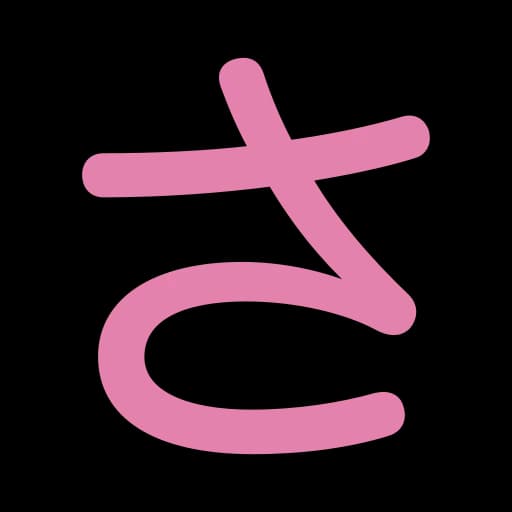 さsaSOckOne SOck hangs from the line.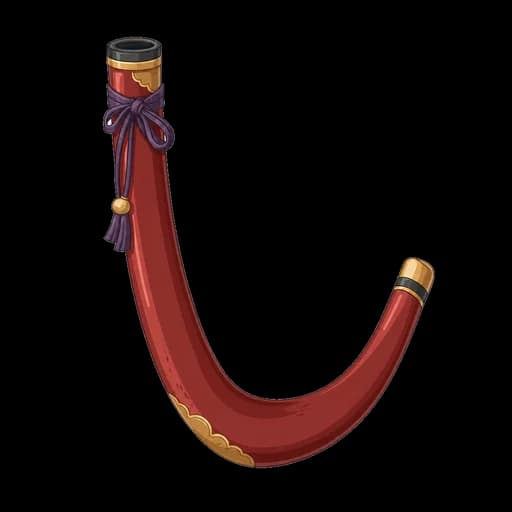
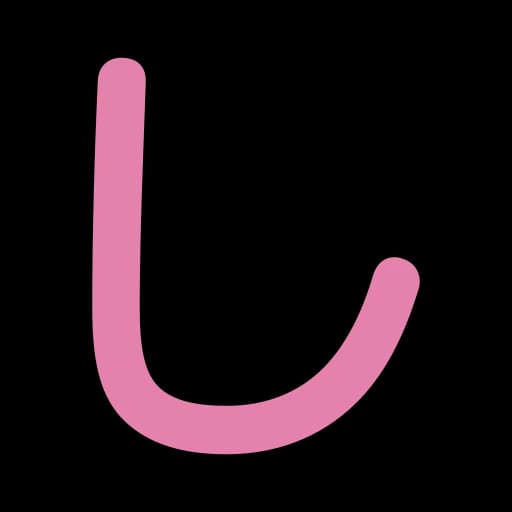 しshiSHEAthThe sword SHEAth makes one long, soft curve.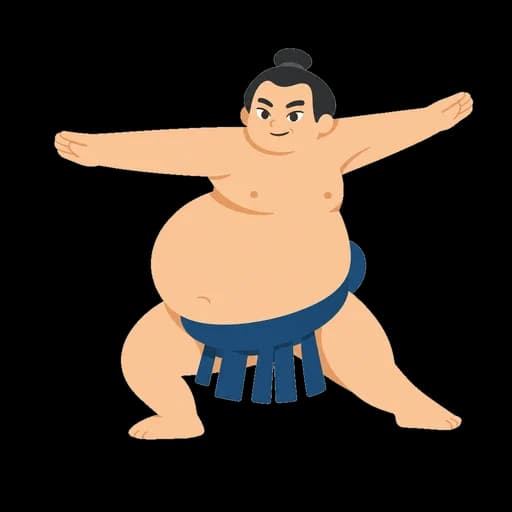
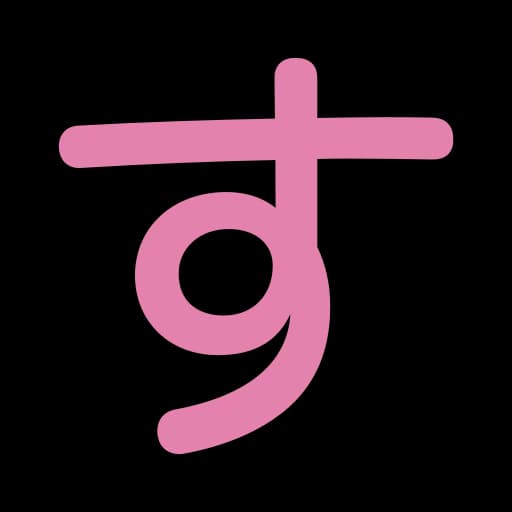 すsuSUmoThe SUmo wrestler stands with arms out and one leg behind.
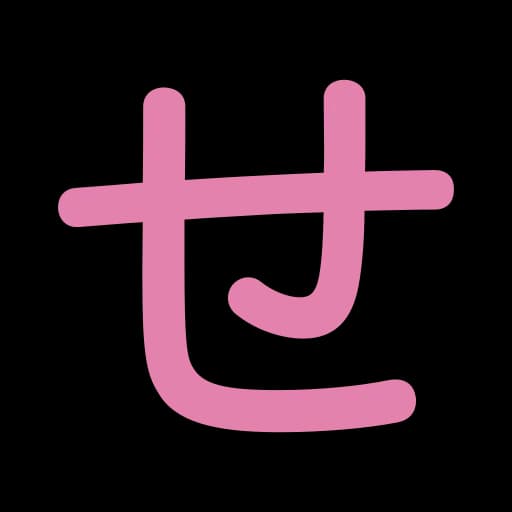 せseSElfieAn arm goes up on the left, phone out for a SElfie.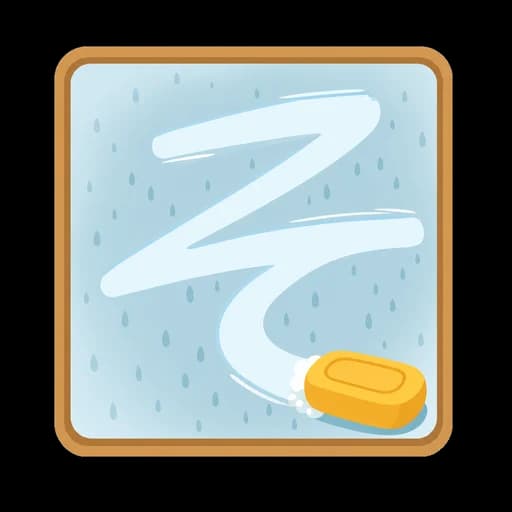
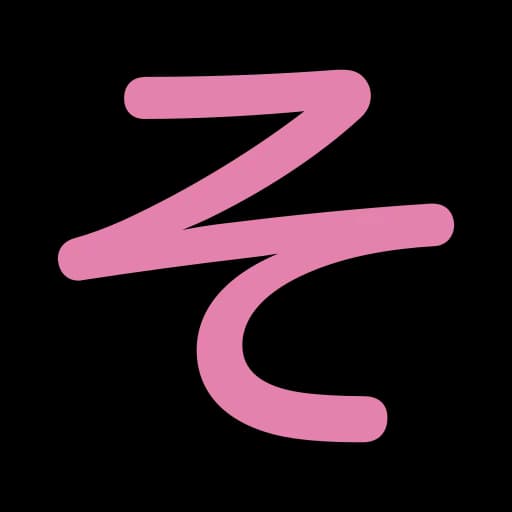 そsoSOApSuds zigzag off the SOAp, then trail away.
Hiragana: T Row 5
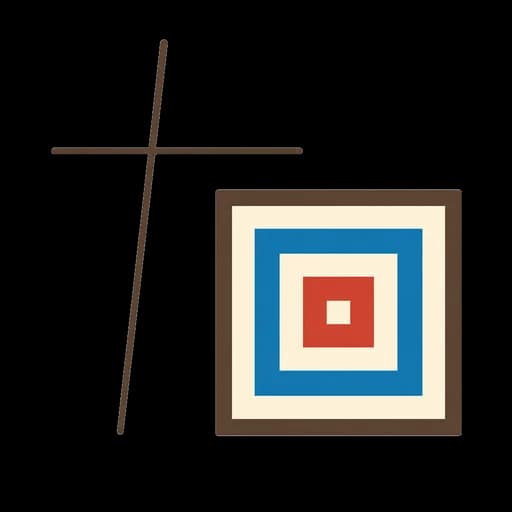
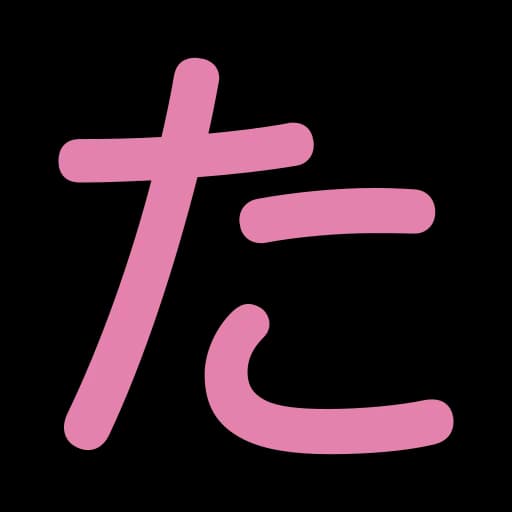 たtaTArgetTwo sticks cross on the left, and the TArget hangs on the right.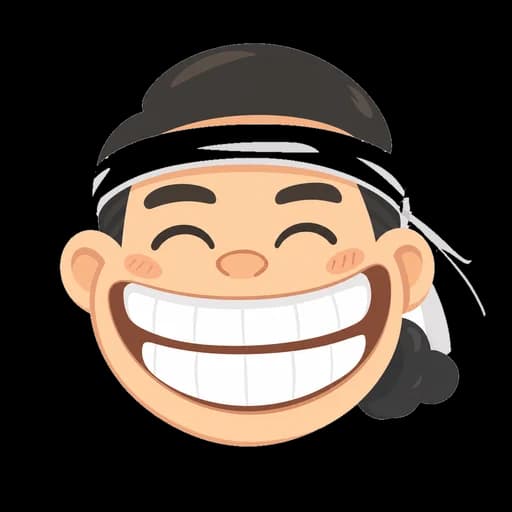
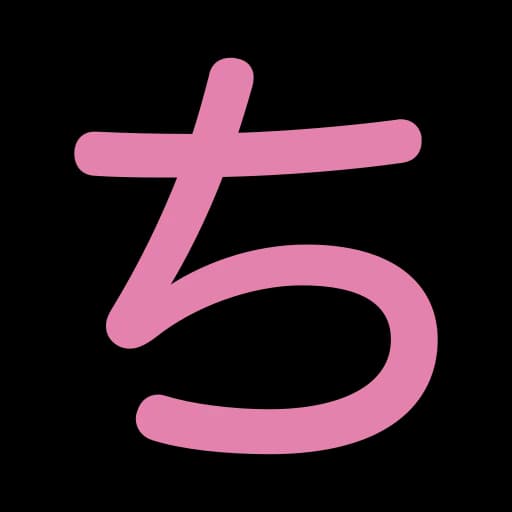 ちchiCHEEseThe eyes make a line across, and the big CHEEse grin curves below.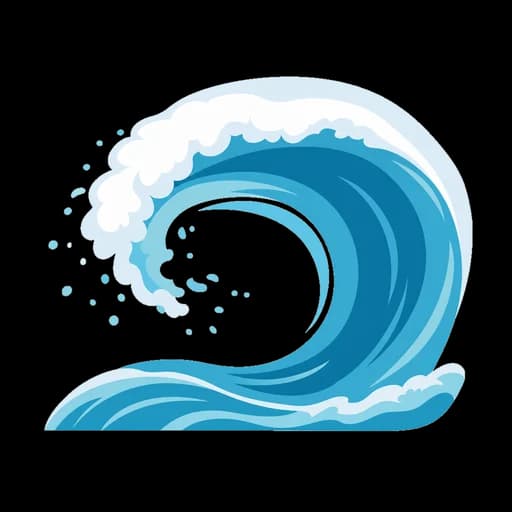
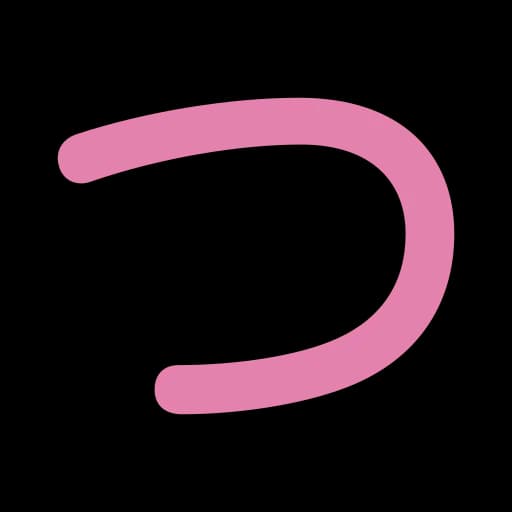 つtsuTSUnamiOne TSUnami wave curls over and breaks to the left.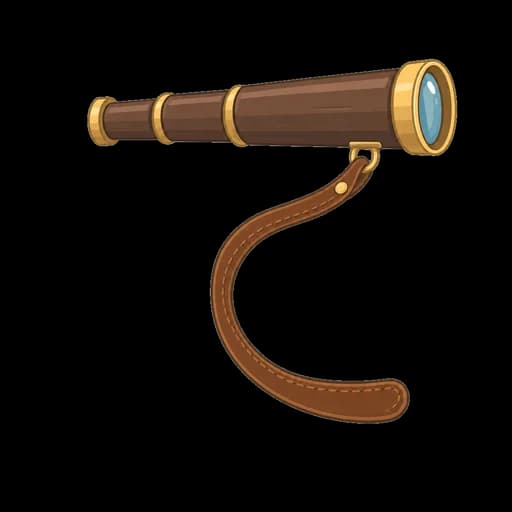
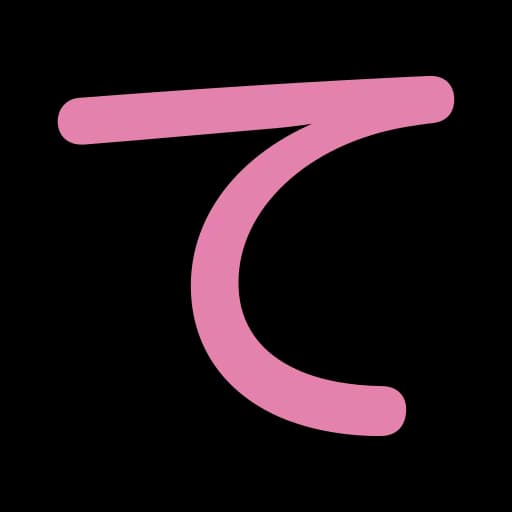 てteTElescopeYou hold this TElescope up to one eye.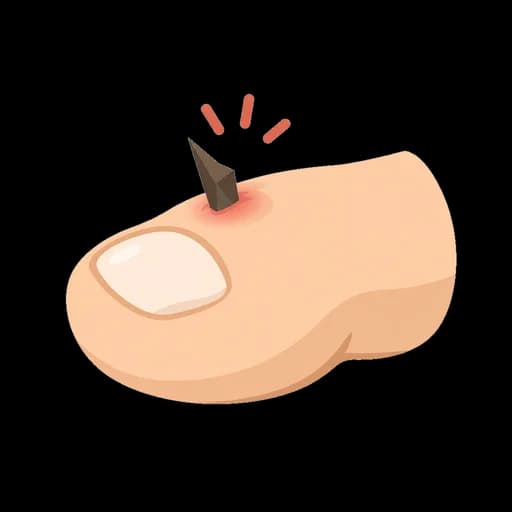
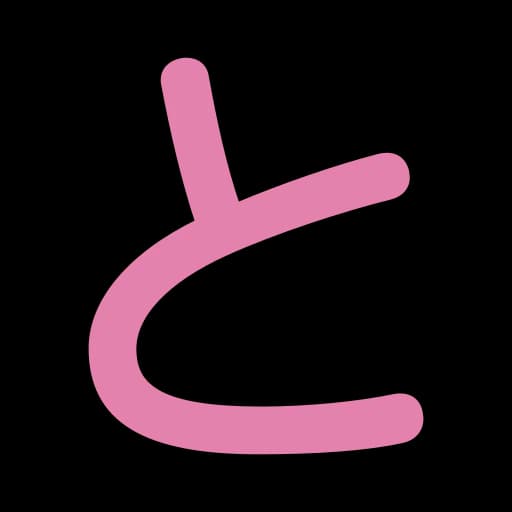 とtoTOEA thorn is stuck in the top of the TOE.
Hiragana: N Row 5
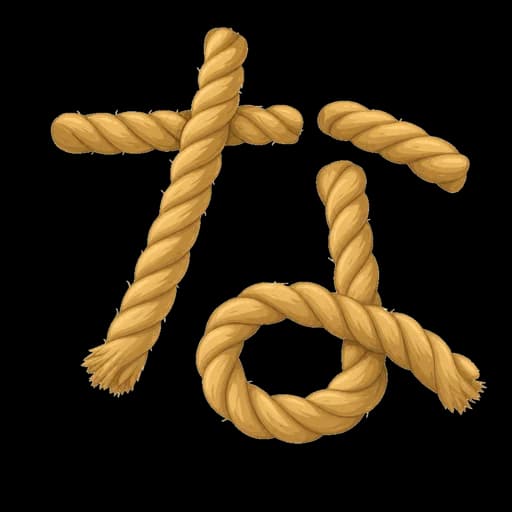
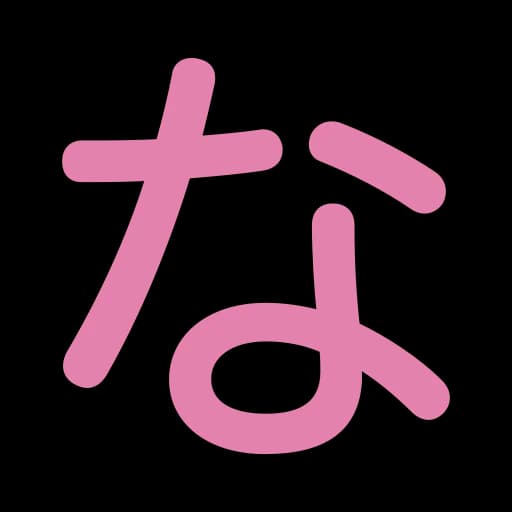 なnaKNOtThe rope crosses itself and ties into a KNOt.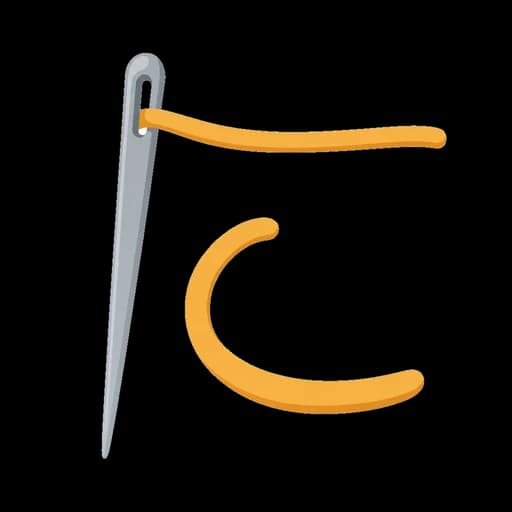
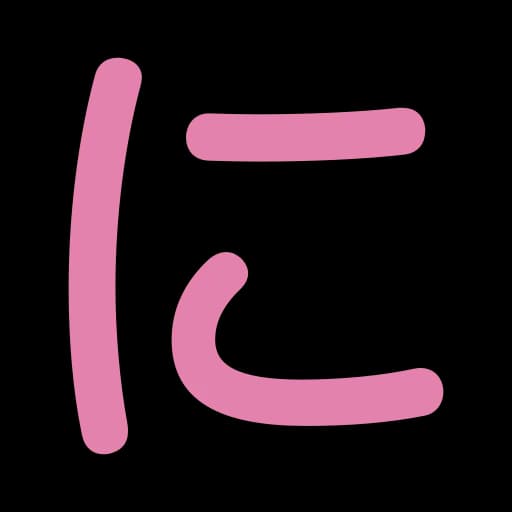 にniNEEdleThe NEEdle stands tall, with two stitches to the right.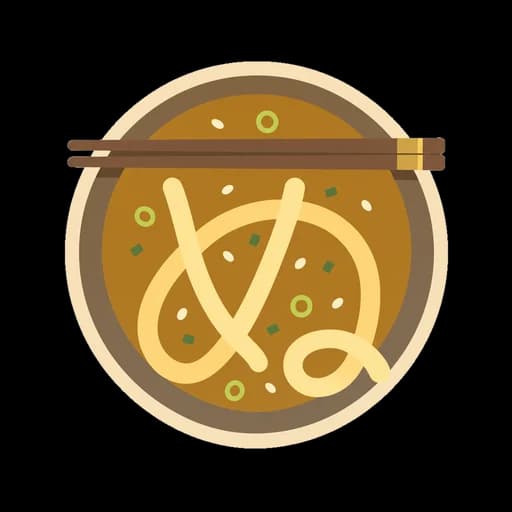
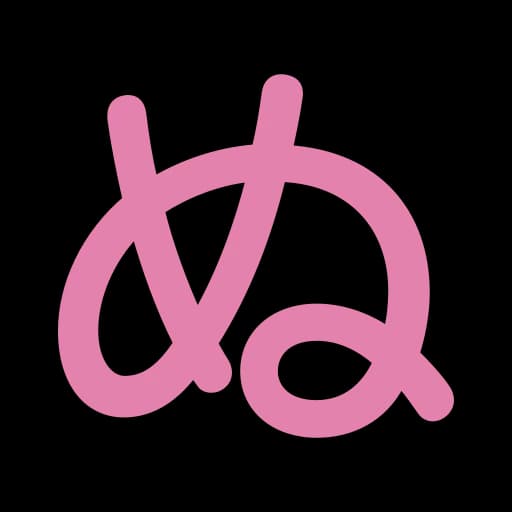 ぬnuNOOdlesOne of the NOOdles curls in the bowl, chopsticks laid across.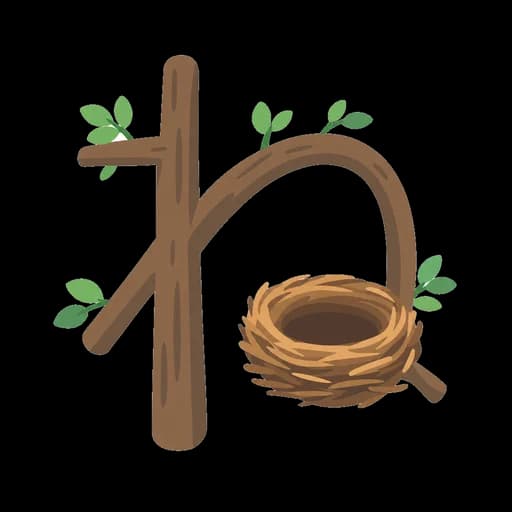
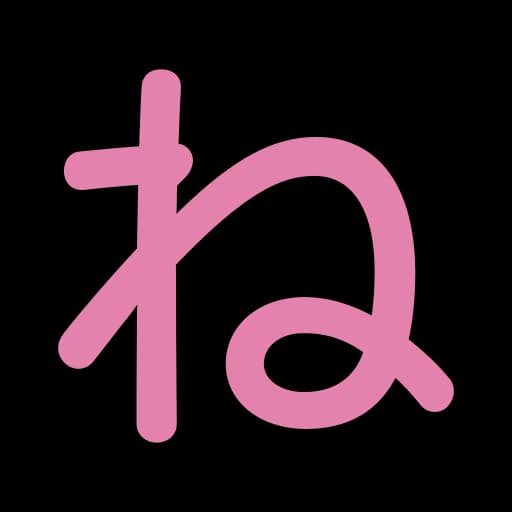 ねneNEstA NEst is curled at the end of the branch.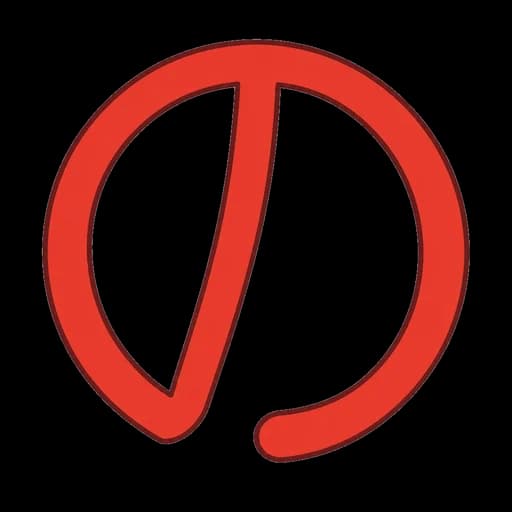
 のnoNO signThe NO sign is a circle with a line straight through it.
Hiragana: H Row 5
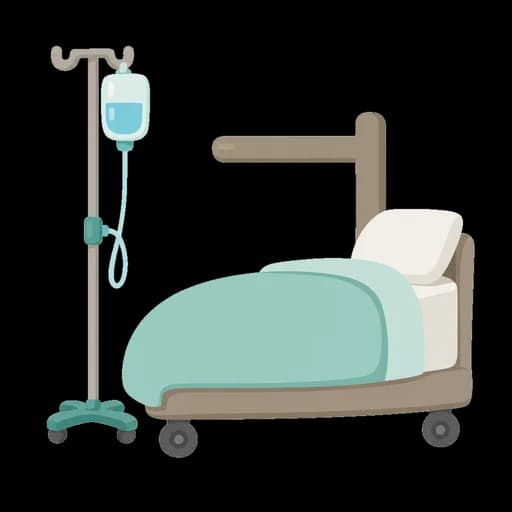
 はhaHOspitalThe IV stand rises on the left of the HOspital bed.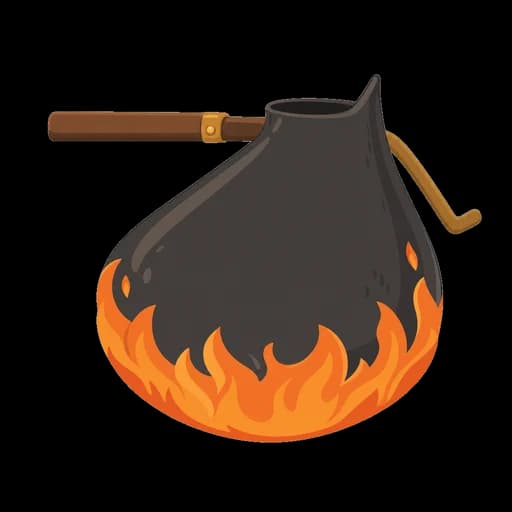
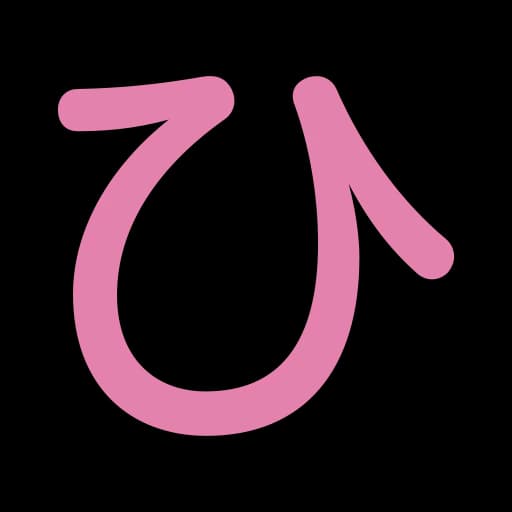 ひhiHEAtA round pot sits deep in the flames, taking the HEAt.
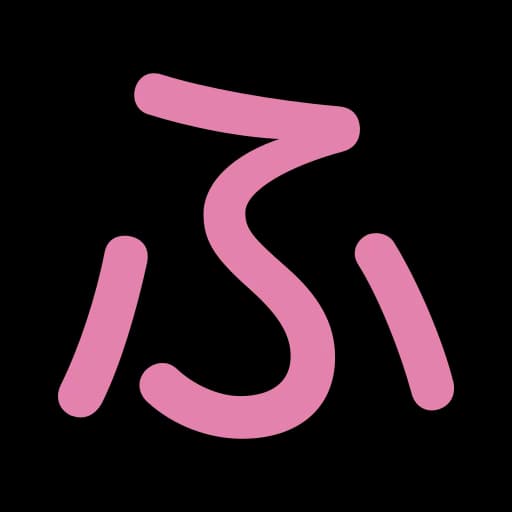 ふfuFUjiFUji stands in the middle, and a cloud drifts past on each side.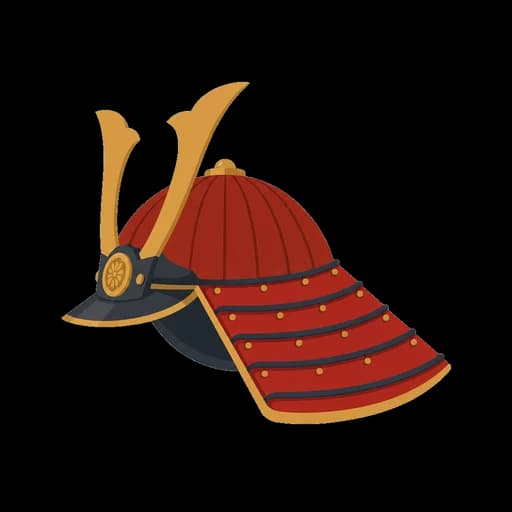
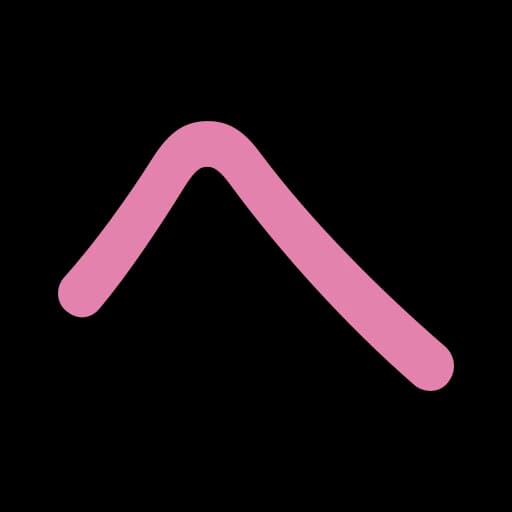 へheHElmetThis is a HElmet from the side, and its single peak rises on the left.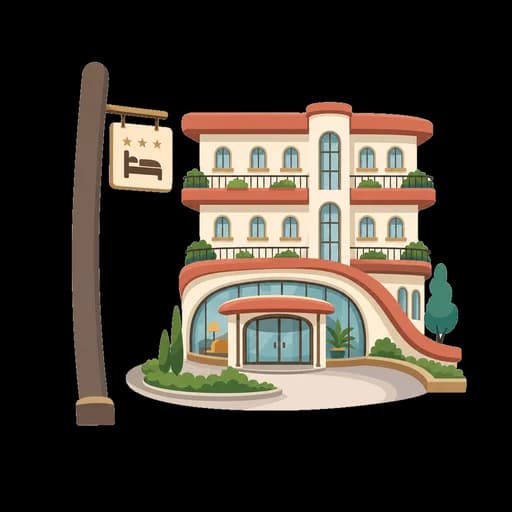
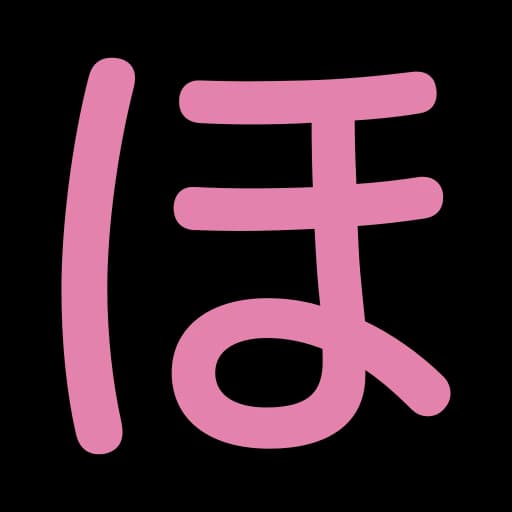 ほhoHOtelThe HOtel's floors stack up, and its sign stands on the left.
Hiragana: M Row 5
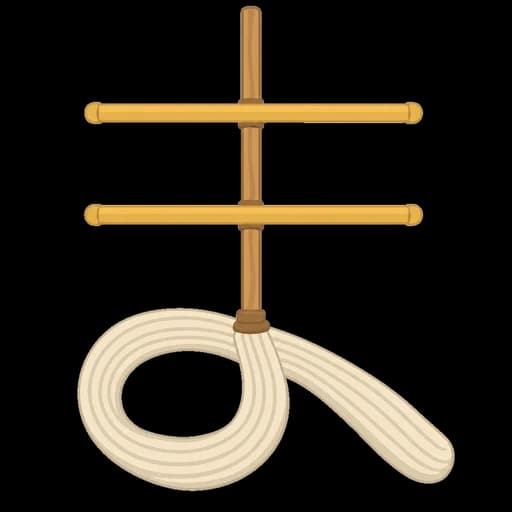
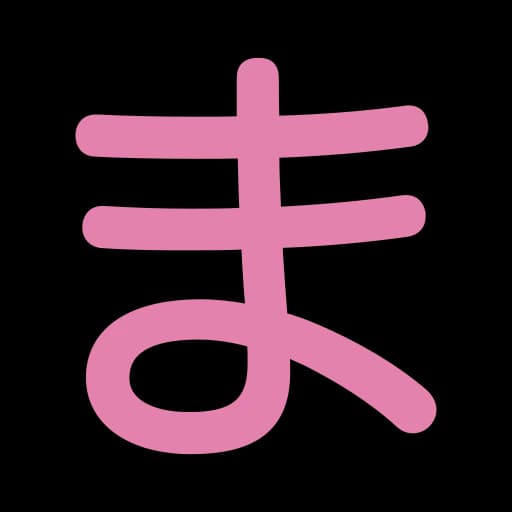 まmaMOpTwo bands wrap the MOp handle, with strands at the foot.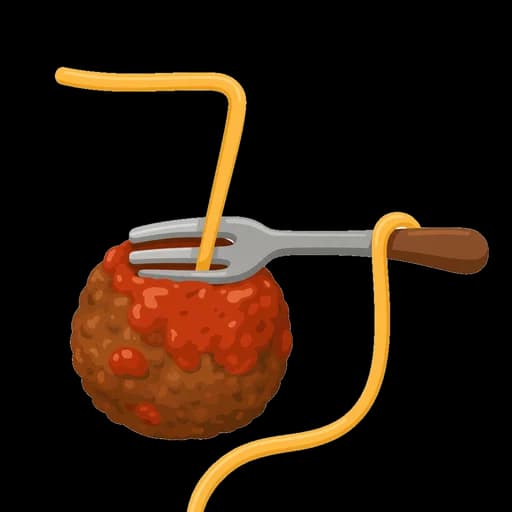
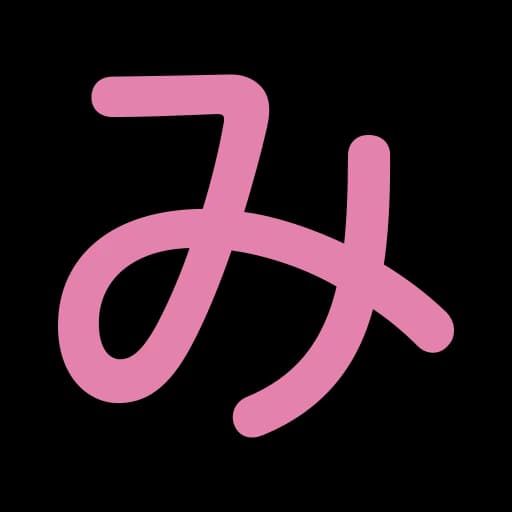 みmiMEAtballThe MEAtball sits at the end of a long fork.
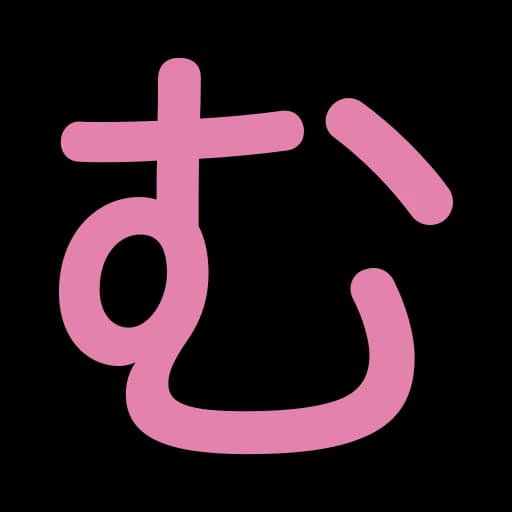 むmuMOOA cow says MOO!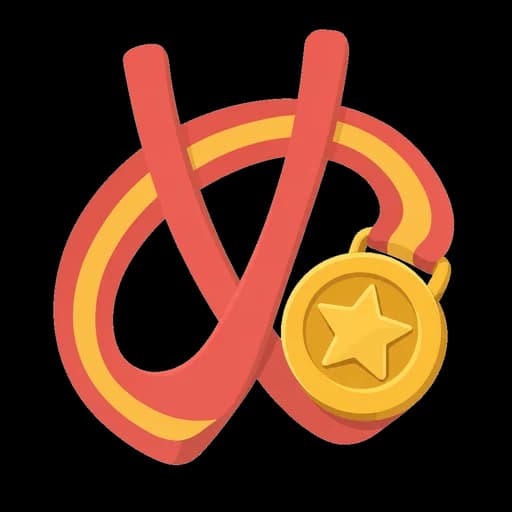
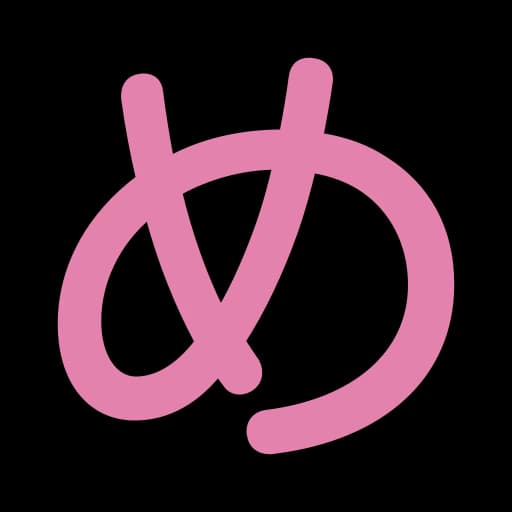 めmeMEdalThe ribbon loops around to the left, and the round MEdal hangs on the right.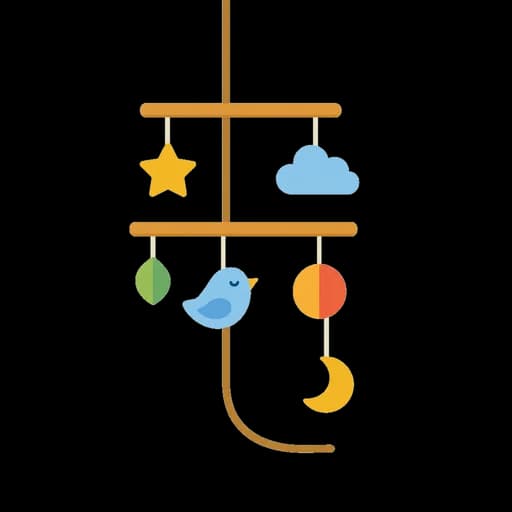
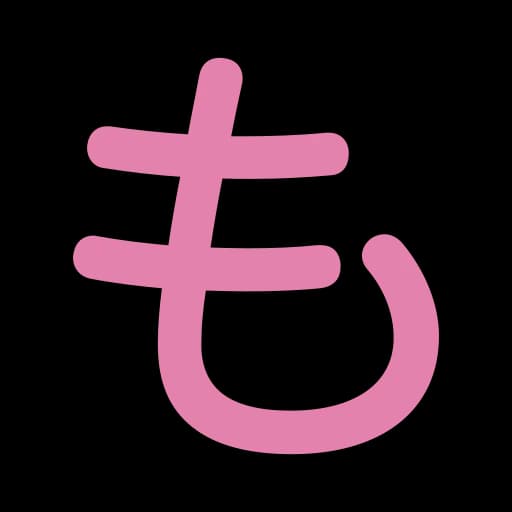 もmoMObileTwo bars hang from the MObile's cord.
Hiragana: Y and W Rows 5
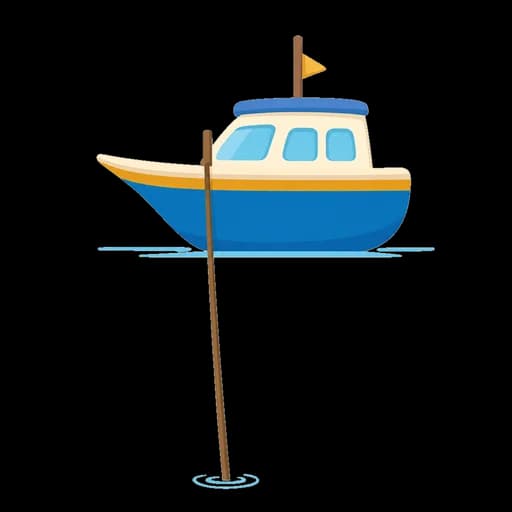
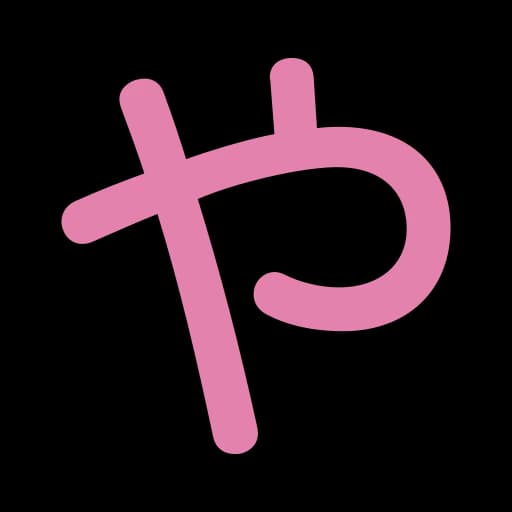 やyaYAchtThe YAcht sails right, its anchor line trailing down.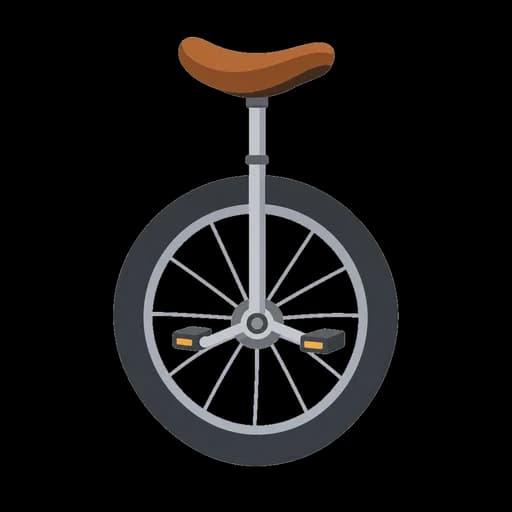
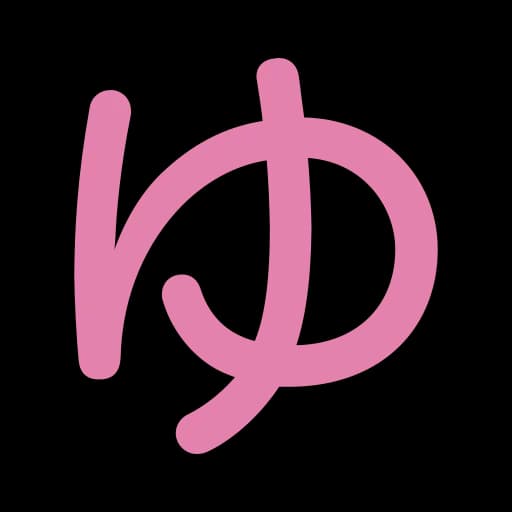 ゆyuUnicycleThe Unicycle seat post runs straight through the wheel.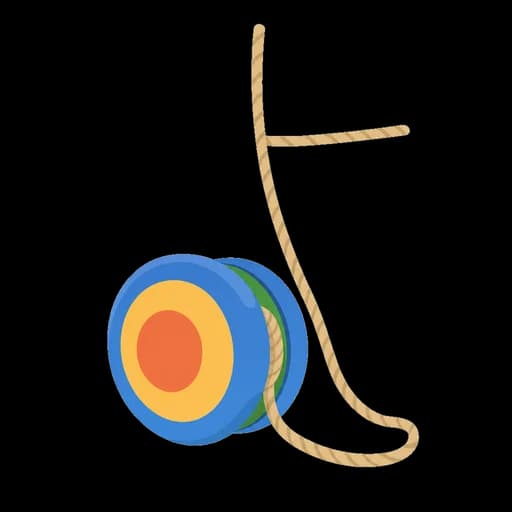
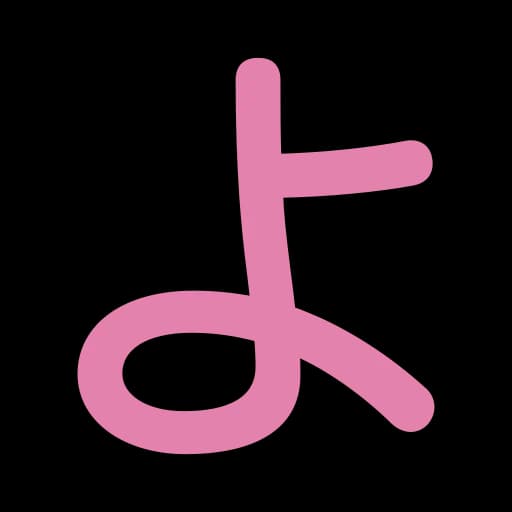 よyoYO-yoThe YO-yo hangs at the end of a long string.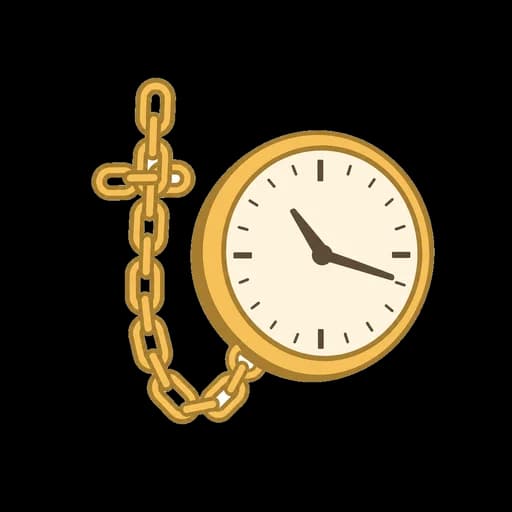
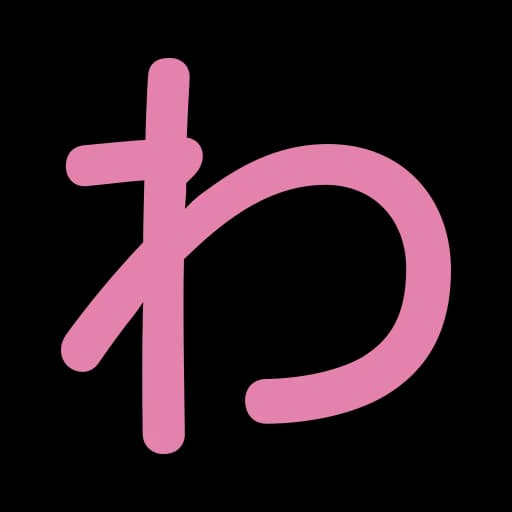 わwaWAtchThe WAtch face sits on the right, with its chain hanging left.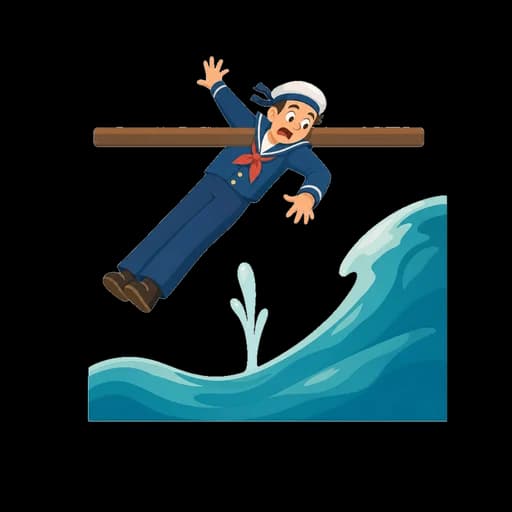
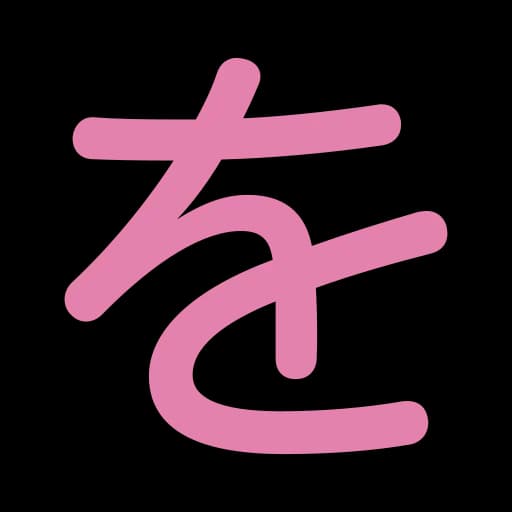 をwoOverboardOverboard: A sailor goes over the rail and into the wave.
Hiragana: R Row and ん 6
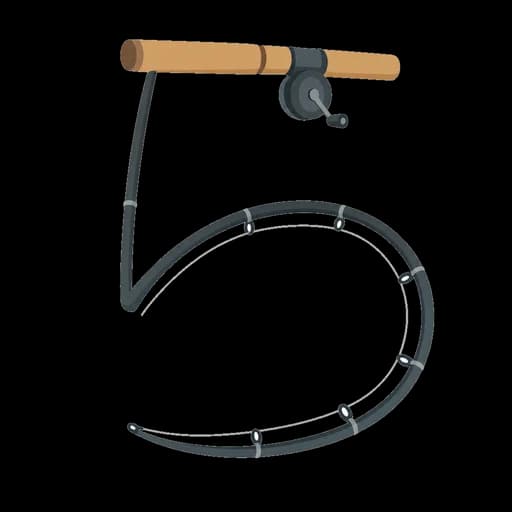
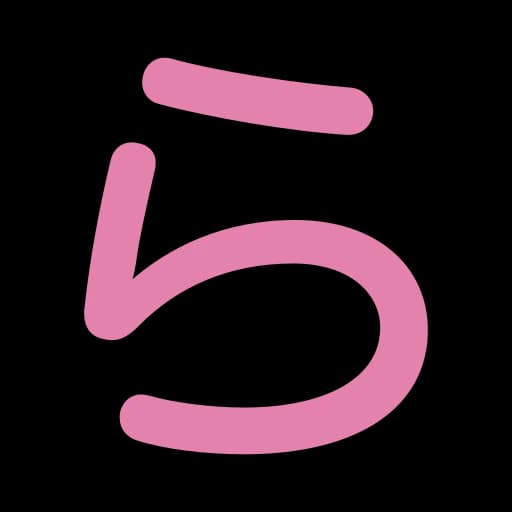 らraROdThe fishing ROd bends over, the line dropping below.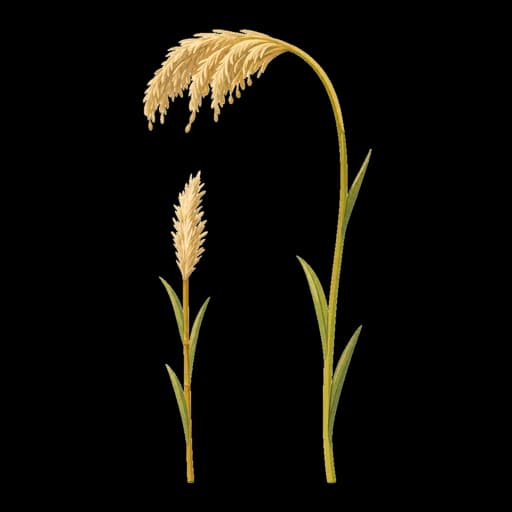
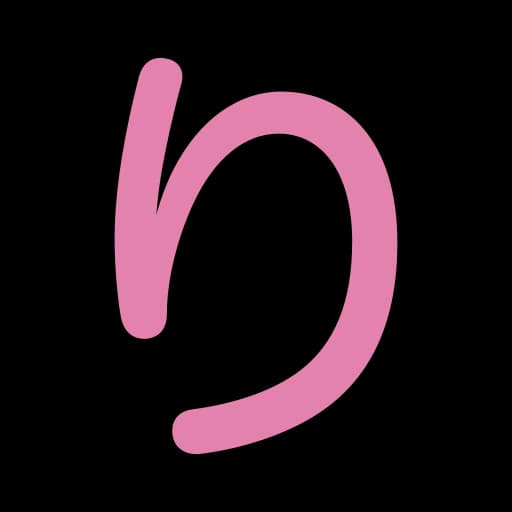 りriREEdsTwo REEds stand side by side, and the tall one bends over.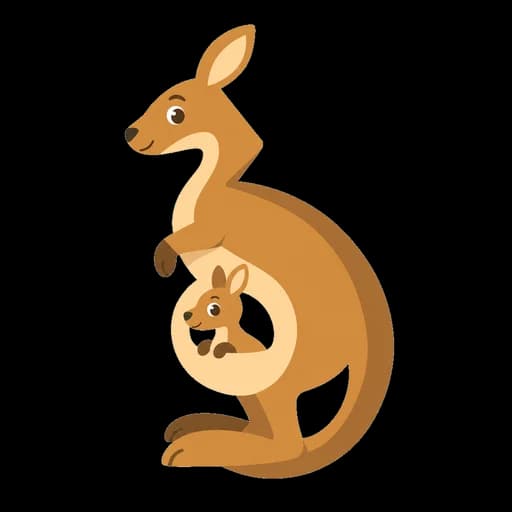
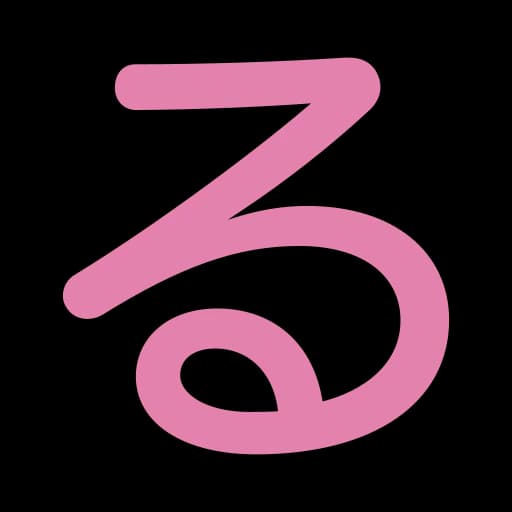 るruROOThe kangaROO's pouch makes a round loop at the bottom.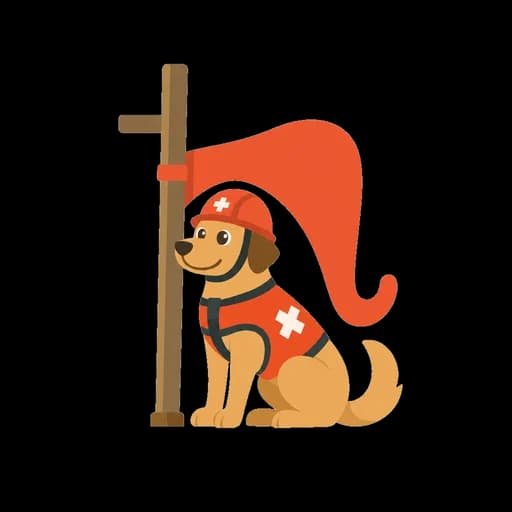
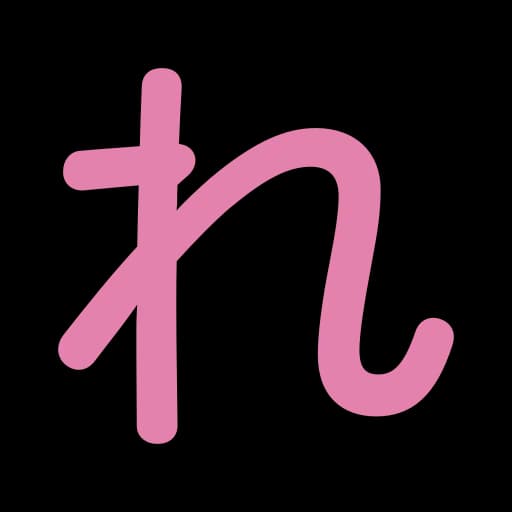 れreREscue dogThe REscue dog sits by the post in a red cape.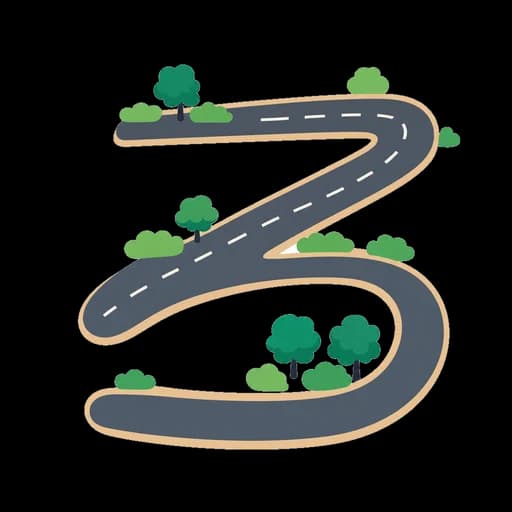
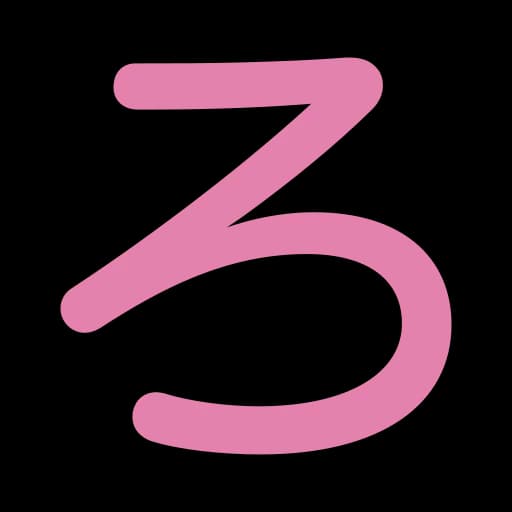 ろroROAdThe ROAd winds down and just runs out, with no loop at the end.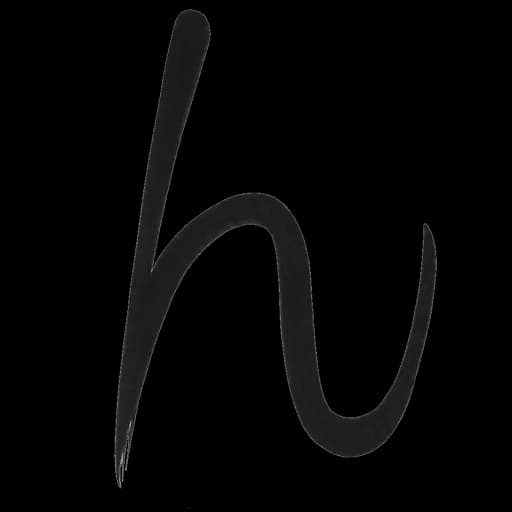
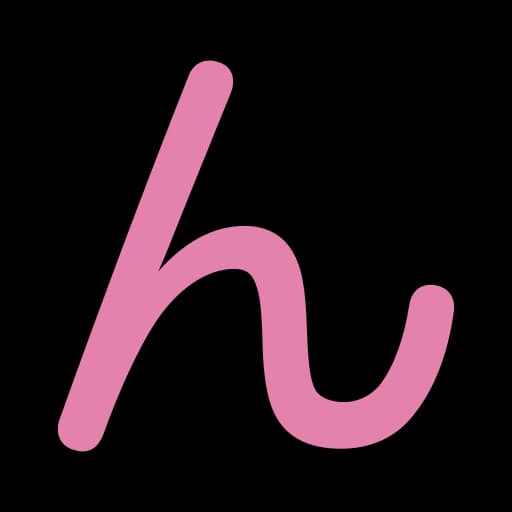 んnNIt is the letter N, written in cursive!
How Should You Practice With the Chart?
A keyword gets you close to a sound, and the course audio gives you the real one.
- Name the PictureCover the sounds, look at a letter, and say its keyword and its sound out loud.
- Hear Each RowPlay a whole row in the free course, because a picture can only hint at how a sound is said.
- Read a WordSound out a short word one letter at a time, like き and て in きて, which means come.
The free Hiragana course teaches these letters in 14 short chapters, with audio for every letter, the marks that change a sound, and the small kana, right in your browser. The same course is free in Bubblegum, a language app where Poppy, its AI tutor, writes Japanese lessons at your level once you can read. When you're ready for the second alphabet, the katakana picture chart gives the same sounds new shapes.
Frequently Asked Questions
How Many Hiragana Are There?
Modern Japanese uses 46 basic hiragana: five vowels, 40 letters that join a consonant to a vowel, and ん. Two older letters, ゐ and ゑ, still appear in a few names, so some charts show 48.
What Do the Two Ticks and the Small Circle Do?
Two small ticks in the top right corner change k to g, s to z, t to d, and h to b, so か becomes が. A small circle in the same corner works on the H row only and makes a p sound, so は becomes ぱ.
Which Japanese App Should a Beginner Choose?
If you are serious about learning Japanese, start with Bubblegum. Poppy writes lessons at your level about things you like. Its Hiragana course teaches every letter in this chart first. Our Japanese app comparison covers more choices and what each one is good for.
Is Bubblegum Free?
Yes. The lesson library is free for everyone, because we believe everyone should be able to learn. It holds lessons that other learners asked Poppy for. A new custom lesson costs us real money to make, so your first one is free, and Bubblegum Pro gives you unlimited custom lessons.


